In today’s digital landscape, brands are under constant pressure to deliver compelling video content with speed and precision. Traditional production pipelines involving location shoots, editing suites, and large creative teams can be costly and time-consuming. That’s where generative AI video ads step in as a transformative solution. By leveraging cutting-edge machine learning models, marketers can automatically generate, edit, and tailor video assets to diverse audience segments at scale. This shift enables rapid iteration, deep personalization, and consistent brand messaging—all while maintaining tight budgets and accelerated release schedules.
As generative AI technology matures this year , it’s empowering organizations of all sizes to rethink how they approach video campaign creation. Instead of queuing up weeks of preproduction and postproduction work, creative teams can now input brand guidelines, asset libraries, and business objectives into an AI-driven platform, which then produces multiple ad variants in a fraction of the time. The result is a leaner workflow, sharper messaging, and the agility to respond to emerging trends in real time. In this comprehensive guide, we explore how generative AI video ads work, examine their strategic advantages, outline best practices for implementation, present advanced automation techniques, and discuss the ethical considerations that safeguard quality and trust.
Understanding Generative AI in Video Advertising
Foundational Concepts of Generative AI
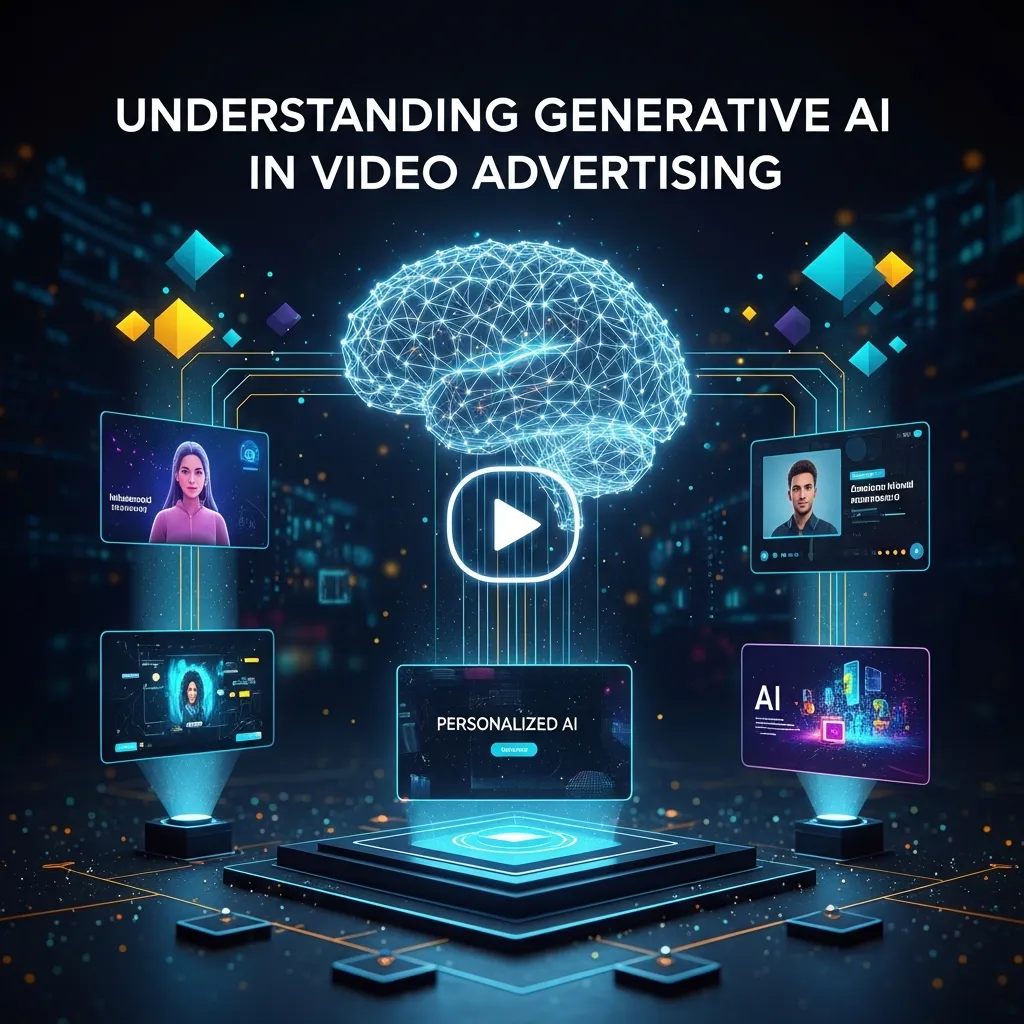
Generative AI refers to algorithms that can learn patterns from large datasets and produce novel content that mimics the original training material. In the realm of video advertising, these systems use architectures like Generative Adversarial Networks (GANs), diffusion models, and transformer-based frameworks to synthesize footage, motion graphics, and audio tracks. By feeding in brand assets—such as logos, product images, style guides, and voice-over scripts—marketers unlock an automated creative engine that assembles polished video ads without manual frame-by-frame editing.
AI-Powered Storyboarding
Generative AI can also assist in pre-visualization through automated storyboarding. By analyzing scripts or marketing briefs, AI can generate sequence layouts, suggested camera angles, and scene transitions before any footage is created. This enables creative teams to visualize campaigns faster, reducing preproduction bottlenecks while ensuring alignment with brand storytelling. Storyboarding AI tools can even suggest alternative narrative flows to maximize engagement based on audience data.
Core Technologies Powering Automated Video Creation
Key components of a generative AI video workflow include:
- Asset Ingestion: Securely upload source materials and metadata to an AI platform compliant with standards like GDPR and CCPA.
- Prompt Engineering: Craft clear, concise text or template-based instructions that define tone, pacing, audience segments, and calls to action.
- Content Synthesis: Leverage models to generate new clips, transitions, and voice-overs aligned with brand identity.
- AI-Driven Editing: Automatically assemble scenes, balance audio, color-grade footage, and overlay graphics in a unified pipeline.
- Variant Generation: Produce dozens or hundreds of ad permutations—by language, region, device format, or creative angle—for A/B and multivariate testing.
- Optimization Loop: Integrate real-time analytics to refine creative elements based on engagement metrics and conversion data.
Organizations like the National Institute of Standards and Technology (NIST) highlight how these AI methodologies can be applied responsibly.
Benefits of Harnessing Generative AI Video Ads

Marketers who adopt generative AI video ads see a range of advantages that extend beyond simple speed gains. Here are the most significant benefits:
- Accelerated Time-to-Market: Rapid generation of polished ads eliminates weeks of scheduling, shooting, and manual editing, enabling brands to seize trending opportunities instantly.
- Reduced Production Costs: By automating high-labor tasks, businesses can lower expenditures on crews, studios, and equipment rentals, redirecting budgets to media spend or strategic initiatives.
- Scalable Personalization: Dynamically tailor content at a granular level—down to individual user profiles—by swapping visuals, headlines, and CTAs based on demographic or behavioral data.
- Consistent Brand Voice: AI systems enforce style guides and brand standards programmatically, ensuring every video variant aligns with corporate identity guidelines.
- Data-Driven Refinement: Connect ad performance analytics with generative workflows to continually optimize color palettes, scene lengths, or messaging based on real-world outcomes.
Research from institutions like the Massachusetts Institute of Technology underscores the efficiency gains of AI-driven creative processes.
Implementing Generative AI in Your Production Workflow
Choosing the Right Platform
With a growing suite of AI-powered video tools available—from cloud-based self-service solutions to enterprise-grade systems—selecting the optimal platform is critical. Key evaluation criteria include:
- Integration: Seamless connectivity with digital asset management (DAM), customer data platforms, ad servers, and analytics stacks for end-to-end automation.
- Customization: The ability to fine-tune models using proprietary asset libraries, voiceover collections, and tone-of-voice specifications.
- Output Quality: Support for high-resolution rendering, smooth frame rates, and professional-grade audio output.
- User Experience: A balance between intuitive interfaces for creative teams and advanced customization options for AI specialists.
- Security & Compliance: Robust data encryption, role-based access controls, and adherence to industry regulations.
Pilot Planning and Execution
Rather than a wholesale transformation, begin with a targeted pilot to validate ROI. A typical pilot plan might include:
- Defining Objectives: Set concrete KPIs—impressions, view-through rates, click-through metrics, ad recall, and conversion lift.
- Asset Audit: Gather existing footage, brand book elements, voiceover samples, and design templates.
- Prompt & Template Development: Collaborate with copywriters and designers to build reusable prompt libraries for AI generation.
- Test Generation: Produce an initial set of 5–10 ad variations, deploy across select channels, and measure performance against control ads.
- Scaling Strategy: Roll out winning variants to broader markets, additional formats (15s, 30s, vertical), and new languages once results meet success criteria.
Cross-Team Collaboration Simplified
Generative AI platforms often include collaboration features, allowing creative, marketing, and analytics teams to work in a shared environment. Storyboards, draft videos, and AI prompts can be annotated, reviewed, and approved in real time, reducing email chains and miscommunications. This collaborative approach speeds up decision-making and ensures that creative and data-driven insights are aligned throughout the production lifecycle.
Strategies for Automated Campaign Optimization

Personalization at Scale
Moving beyond static templates, you can feed individual user parameters—such as browsing history, purchase behavior, and location data—into your AI pipeline. The system then swaps imagery, text overlays, and audio cues in real time, delivering hyper-personalized video experiences proven to lift engagement and conversion rates.
Multi-Channel Coordination
Maintaining consistent messaging across multiple platforms—such as YouTube, connected TV (CTV), social media channels, and programmatic advertising networks—is critical for reinforcing brand identity and maximizing campaign impact. Generative AI video ads simplify this process by centralizing creative logic within a single platform, enabling marketers to automatically adapt videos for different aspect ratios, durations, resolutions, and interactive elements without losing brand consistency.
This centralized approach ensures that whether a viewer sees a 15-second vertical ad on Instagram Stories, a 30-second widescreen spot on YouTube, or a high-resolution CTV commercial, the core messaging, tone, and visual identity remain aligned. Additionally, AI platforms can schedule and optimize delivery based on platform-specific engagement patterns, audience behaviors, and peak viewing times. By leveraging multi-channel coordination, brands not only maintain cohesive storytelling but also reduce manual duplication, minimize errors, and achieve more efficient deployment of generative AI video ads across all digital touchpoints.
Adaptive Video Formats for Multi-Platform Campaigns
With audiences spread across multiple platforms, AI-generated videos can automatically adapt to varying aspect ratios, lengths, and resolutions. For example, a 30-second horizontal YouTube ad can be transformed into a vertical Instagram Reel or a short TikTok snippet without losing narrative coherence. This adaptive capability ensures that every piece of content is optimized for the specific consumption habits of each platform, reducing manual re-editing and accelerating campaign deployment.
Feedback-Driven Creative Evolution
By integrating advanced analytics and performance insights, you establish a continuous learning loop. Underperforming video variants are automatically flagged, prompting the AI to adjust visual styles, pacing, or messaging. This data-driven cycle ensures your campaigns evolve with audience preferences—without manual rework.
Heading: Real-Time Trend Integration
Generative AI platforms can analyze trending topics, hashtags, and viral content in real time and incorporate them into video assets. For instance, a product video can subtly include current meme formats, cultural references, or seasonal trends that resonate with audiences. This trend-aware automation allows marketers to produce relevant content quickly, increasing the likelihood of virality while maintaining brand consistency.
Addressing Challenges and Ethical Responsibilities
While the promise of generative AI video ads is immense, it also raises important challenges and ethical considerations:
- Quality Assurance: Automated generation can introduce visual glitches, mismatched audio, or brand inconsistencies that require human review.
- Bias & Sensitivity: Models trained on unbalanced datasets may inadvertently produce stereotypical or insensitive content. Regular audits help mitigate this risk.
- Intellectual Property: Ensure that synthesized footage and music tracks do not infringe on third-party rights—establish clear licensing protocols.
- Transparency: Where regulations require, disclose the use of AI-generated creative to maintain consumer trust and regulatory compliance.
Develop a governance framework that includes cross-functional oversight—legal, compliance, creative, and data science teams—to uphold ethical standards and safeguard brand reputation.
Measuring ROI and Campaign Effectiveness
To maximize the value of generative AI, it is crucial to connect video performance metrics to business outcomes. AI platforms can track KPIs such as engagement rate, click-through rate, and conversion lift across different variants. By analyzing which AI-generated elements drive performance, marketers can continuously refine creative assets, ensuring a measurable return on investment. This data-driven approach transforms video advertising from a costly experiment into a scalable, results-oriented strategy.
Optional Subheading: Future Trends in Generative AI Video
Emerging AI capabilities promise even more sophisticated video personalization. We can expect AI to produce fully interactive ads, real-time localization for global audiences, and emotionally intelligent content that adapts based on viewer reactions. Staying ahead of these trends will allow brands to deliver highly relevant, immersive experiences while reducing production timelines and costs even further.
Conclusion
Generative AI video ads represent a fundamental shift in how brands conceptualize, produce, and optimize video campaigns. By integrating machine learning–driven creative engines into your workflow—backed by sound governance, ethical safeguards, and real-time analytics—you can achieve unparalleled speed, personalization, and cost efficiency. Start with a focused pilot, refine your prompts and templates, and let performance data guide iterative improvements. In today’s digital landscape, adopting generative AI isn’t just a competitive advantage—it’s an essential strategy for brands aiming to connect with audiences meaningfully and at scale. Ready to harness the potential of generative AI video ads? Begin your journey this year and transform the way you engage viewers across every channel.
Frequently Asked Questions (FAQs) – Generative AI Video Ads
What are generative AI video ads?
Generative AI video ads are marketing videos automatically created using artificial intelligence models, such as GANs, diffusion models, and transformers, which generate footage, graphics, audio, and motion design at scale.
How do generative AI video ads improve production speed?
They accelerate workflows by automating video editing, scene assembly, and asset personalization, allowing marketers to produce multiple ad variants in minutes instead of weeks.
Can generative AI video ads be personalized for individual audiences?
Yes. By analyzing user behavior, demographics, and location data, generative AI video ads can dynamically adjust visuals, text overlays, and calls-to-action to deliver hyper-relevant messaging.
What platforms support generative AI video ads?
Many cloud-based platforms and enterprise solutions enable automated video creation, providing integration with digital asset management systems, ad servers, analytics tools, and social media networks.
Are generative AI video ads cost-effective?
Absolutely. By reducing manual editing, production crew needs, and studio costs, brands save resources while scaling content production for multiple channels and markets.
How can brands maintain quality and consistency in generative AI video ads?
By establishing brand guidelines, using curated asset libraries, and applying human oversight during review stages, marketers ensure all AI-generated videos align with tone, style, and compliance standards.
What ethical considerations apply to generative AI video ads?
Brands must address bias in AI training data, respect intellectual property, maintain transparency about AI usage, and audit content regularly to prevent insensitive or inappropriate outputs.
Which channels benefit most from generative AI video ads?
Generative AI video ads excel on social media, YouTube, connected TV (CTV), programmatic networks, and email marketing—especially where multi-format or multi-language variants are needed.
How do generative AI video ads optimize campaign performance?
They integrate real-time analytics to adjust visuals, pacing, and messaging automatically, enabling continuous improvement of engagement, click-through, and conversion rates.
Is human oversight still necessary with generative AI video ads?
Yes. While AI handles generation and variant testing, human review ensures creative authenticity, brand alignment, and quality assurance, safeguarding trust and effectiveness.