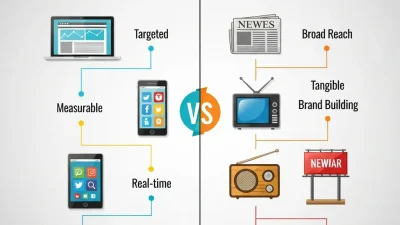
This post explores how advertising affects consumer behavior, examining the psychological and economic principles behind effective marketing strategies. We will look at various advertising techniques and their impact on consumer decision-making, brand perception, and purchasing habits. Understanding how advertising affects consumer behavior is crucial for both marketers and consumers in a dynamic marketplace.
Modern society is completely saturated with marketing messages. From the moment you wake up and check your smartphone to your evening commute past glowing billboards, you are exposed to thousands of promotional messages every single day. This constant barrage raises a critical question for both businesses and buyers: exactly how advertising affects consumer behavior at a fundamental level.
Understanding how advertising affects consumer behavior is no longer just a task for marketing executives. It is vital for anyone who wants to make informed purchasing decisions. Businesses rely on these insights to craft campaigns that resonate with their target audience, while individuals can use this knowledge to recognize when their choices are being subtly guided by external forces.
Throughout this guide, we will examine the mechanics of marketing persuasion. By breaking down the psychological triggers, common techniques, and digital advancements in the industry, we can gain a clear picture of how advertising affects consumer behavior.
The Psychology Behind Advertising: Tapping into Consumer Minds

To truly grasp how advertising affects consumer behavior, we must look at the psychological principles that drive human decision-making. Marketers are experts at identifying what makes people tick and using that knowledge to shape campaigns.
Emotional Appeals
Emotions drive action. A significant aspect of how advertising affects consumer behavior involves tapping into feelings of joy, fear, nostalgia, or belonging. When an ad makes you feel a strong emotion, you are far more likely to remember the brand and associate those feelings with its products.
Cognitive Biases
Human brains use mental shortcuts to process information quickly. Advertisers exploit these cognitive biases. For example, the framing effect changes how advertising affects consumer behavior simply by altering how information is presented. Highlighting that a product is “90% fat-free” sounds much better than “contains 10% fat.”
Social Proof and Conformity
People naturally look to others when making decisions. Showing that thousands of other people use and love a product is a powerful demonstration of how advertising affects consumer behavior. When we see testimonials, high ratings, or crowded stores, our desire to conform pushes us toward making a purchase.
Scarcity and Urgency
Limited-time offers and low-stock warnings create a sense of urgency. This tactic shows how advertising affects consumer behavior by triggering a fear of missing out (FOMO). Consumers act faster and think less critically when they believe an opportunity will soon disappear.
Key Advertising Techniques and Their Impact on Consumer Behavior
Marketers use a variety of specific techniques to ensure their messages land effectively. Each of these methods highlights a different facet of how advertising affects consumer behavior.
Repetition and Exposure
The mere-exposure effect dictates that people tend to develop a preference for things merely because they are familiar with them. Repetition is a core component of how advertising affects consumer behavior. Seeing a logo or hearing a jingle repeatedly builds a subconscious familiarity that heavily influences point-of-sale decisions.
Storytelling in Advertising
Humans are wired for stories. Building a narrative around a brand makes it memorable. When consumers connect with the characters or the journey presented in a commercial, they form a deeper emotional bond with the company.
Celebrity Endorsements
When a trusted or admired public figure promotes a product, their positive attributes transfer to the brand. This heavily influences how advertising affects consumer behavior, as fans of the celebrity are often eager to emulate their lifestyle choices.
Product Placement
Integrating products into movies, television shows, or video games is a subtle but effective strategy. Because the promotion does not look like a traditional ad, viewers are less likely to put their guard up, making it a highly effective example of how advertising affects consumer behavior.
Personalization
Tailoring ads to match individual preferences makes marketing feel highly relevant. When a consumer sees an ad for a product they were just thinking about, the likelihood of a purchase skyrockets.
How Advertising Affects Consumer Behavior at Each Stage of the Buying Process
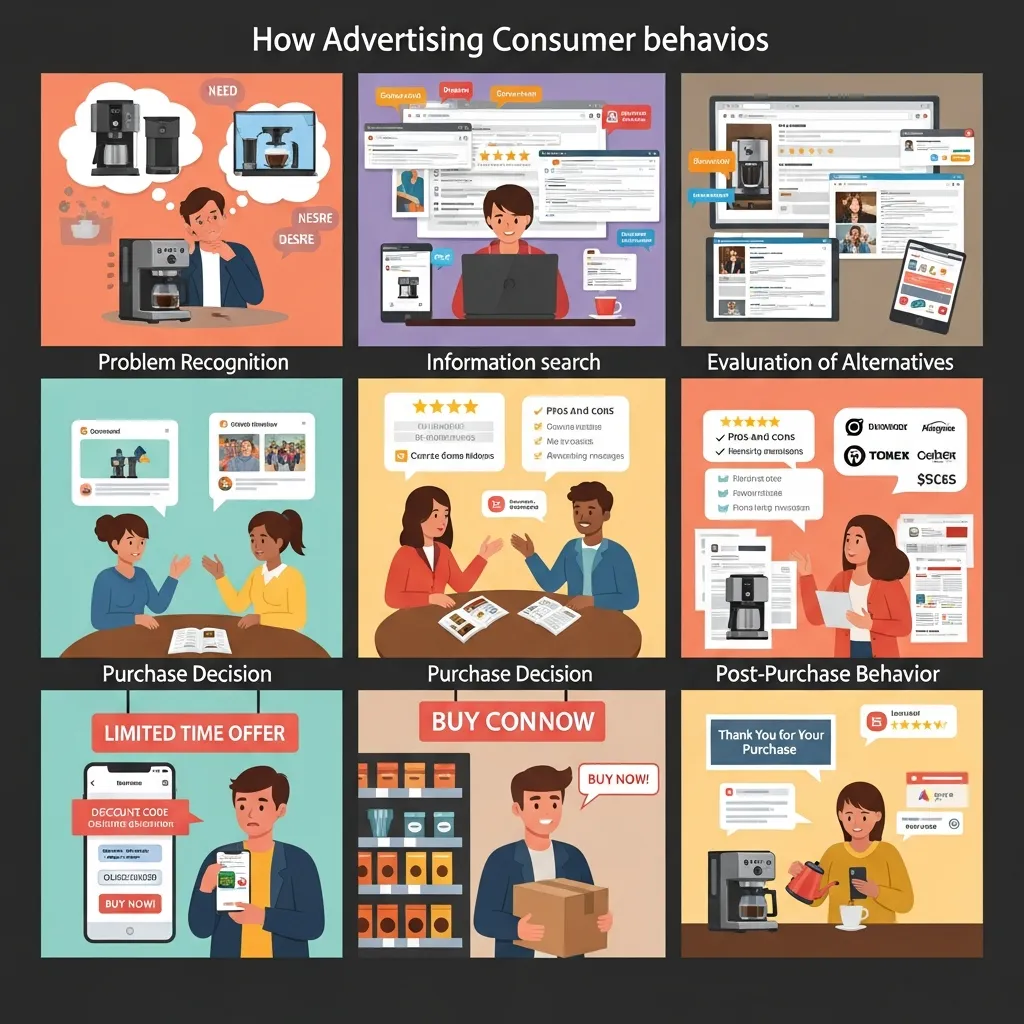
The journey from discovering a product to buying it is known as the buying process. Let us look at how advertising affects consumer behavior at each specific stage.
Awareness
Before a consumer can buy a product, they must know it exists. At this stage, how advertising affects consumer behavior is all about grabbing attention and introducing the brand to the market.
Consideration
Once aware, the consumer evaluates their options. Here, how advertising affects consumer behavior involves highlighting unique selling points, comparing features, and demonstrating superior value to pull the buyer away from competitors.
Purchase
This is the critical conversion point. Tactics like discount codes, free shipping offers, and clear calls to action demonstrate how advertising affects consumer behavior right at the finish line, pushing the buyer to complete the transaction.
Post-Purchase
Advertising does not stop after the sale. Follow-up emails, loyalty programs, and targeted ads remind the buyer of their good choice, illustrating how advertising affects consumer behavior by fostering brand loyalty and encouraging repeat business.
The Role of Digital Advertising in Shaping Consumer Behavior
The internet has revolutionized marketing. Digital channels offer unprecedented ways to track, target, and influence buyers, fundamentally changing how advertising affects consumer behavior.
Targeted Advertising
Through data analytics, companies can serve ads exclusively to the demographics most likely to convert. This precision marketing demonstrates how advertising affects consumer behavior by delivering the right message to the right person at the exact right time.
Social Media Marketing
Platforms like Instagram and TikTok offer interactive environments. Users can like, share, and comment on promotions. This two-way communication enhances how advertising affects consumer behavior by building community around a brand.
Influencer Marketing
Similar to celebrity endorsements, influencers offer a more relatable, niche form of persuasion. Because influencers often have highly engaged audiences, their recommendations are a prime example of how advertising affects consumer behavior in the digital era.
Content Marketing
Providing valuable, free information builds trust and authority. When a brand helps a consumer solve a problem through a blog post or video, they are guiding how advertising affects consumer behavior by establishing themselves as a helpful industry leader.
Ethical Considerations and Criticisms of Advertising’s Influence
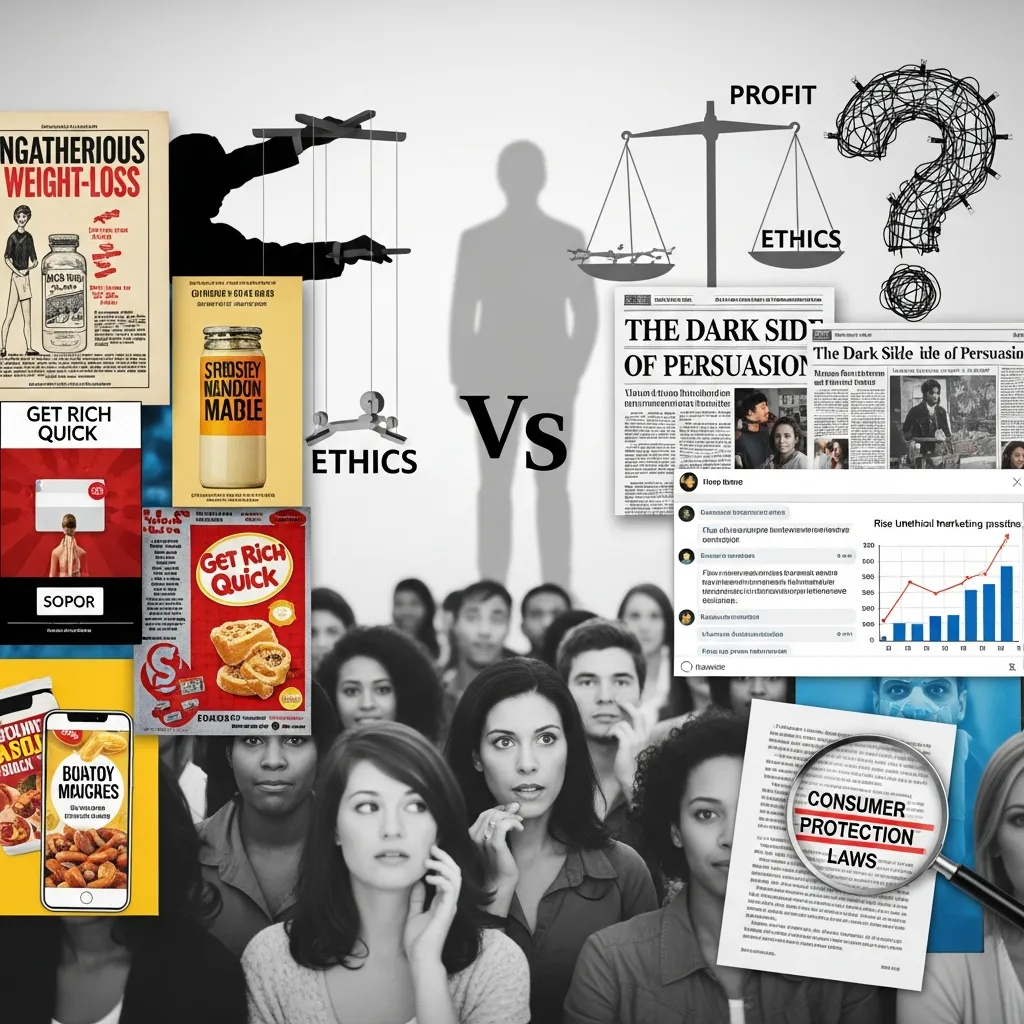
While marketing is essential for business, the intense focus on how advertising affects consumer behavior has raised several ethical concerns.
Manipulation vs. Persuasion
There is a fine line between persuading someone to try a good product and manipulating them into buying something they do not need. Critics often question how advertising affects consumer behavior when campaigns prey on vulnerabilities.
Misleading Advertising
Deceptive practices, hidden fees, and exaggerated claims damage trust. When companies lie, the negative way how advertising affects consumer behavior leads to consumer backlash and strict regulatory fines.
Impact on Self-Esteem and Body Image
Promoting unrealistic beauty standards or lifestyles has societal consequences. Understanding how advertising affects consumer behavior means acknowledging the mental health impacts of constantly comparing oneself to airbrushed ideals.
Data Privacy Concerns
Personalized advertising relies on tracking user data. The ethics of collecting and using this information is a major topic of debate, complicating the conversation around how advertising affects consumer behavior.
Measuring the Impact: Metrics and Analytics
To know exactly how advertising affects consumer behavior, marketers rely on hard data.
Sales and Revenue
The most direct indicator of how advertising affects consumer behavior is a spike in sales following a campaign launch. If revenue increases, the behavior was successfully influenced.
Brand Awareness and Recall
Marketers track how easily consumers can remember their brand. High recall rates prove that the repetitive nature of how advertising affects consumer behavior is working.
Website Traffic and Engagement
Digital campaigns allow for precise tracking of clicks, page views, and time spent on a site. These metrics provide real-time feedback on how advertising affects consumer behavior online.
Surveys and Focus Groups
Sometimes the best way to understand how advertising affects consumer behavior is to simply ask the buyers. Qualitative insights from surveys reveal the emotions and thoughts behind the purchasing data.
The Evolving Landscape of Consumer Influence

We have explored the many dimensions of how advertising affects consumer behavior. From emotional triggers and cognitive biases to the hyper-targeted world of digital marketing, the forces shaping our purchasing habits are complex and ever-changing.
As technology advances, marketing strategies will continue to adapt. Businesses will find new ways to connect with audiences, while buyers will need to stay vigilant. By understanding how advertising affects consumer behavior, we empower ourselves to make more conscious, informed choices in an incredibly saturated market. Take a moment to evaluate the next ad you see, and ask yourself how it is attempting to shape your actions.