


In today’s digital landscape, privacy regulations and browser restrictions have rendered third party cookies obsolete. Advertisers are compelled to explore alternative solutions that uphold consumer privacy while delivering precise targeting. Contextual AI Ads emerge as the leading strategy for brands seeking to thrive in a cookieless environment this year. By leveraging real-time analysis of page content, user intent signals, and advanced machine learning, Contextual AI Ads enable the delivery of highly relevant advertisements without relying on personal identifiers. This privacy-first approach not only aligns with global data protection mandates but also strengthens consumer trust by respecting user boundaries. Throughout this article, we will examine the fundamentals of Contextual AI Ads , explore the challenges posed by the cookieless era, outline the key technologies and data signals driving modern campaigns, and share best practices for designing, executing, and optimizing Contextual AI Ads initiatives. Whether you aim to boost brand awareness, generate leads, or drive conversions, embracing Contextual AI Ads offers a path to sustainable performance and regulatory compliance in today’s rapidly evolving ad ecosystem.
The Evolution of Digital Advertising
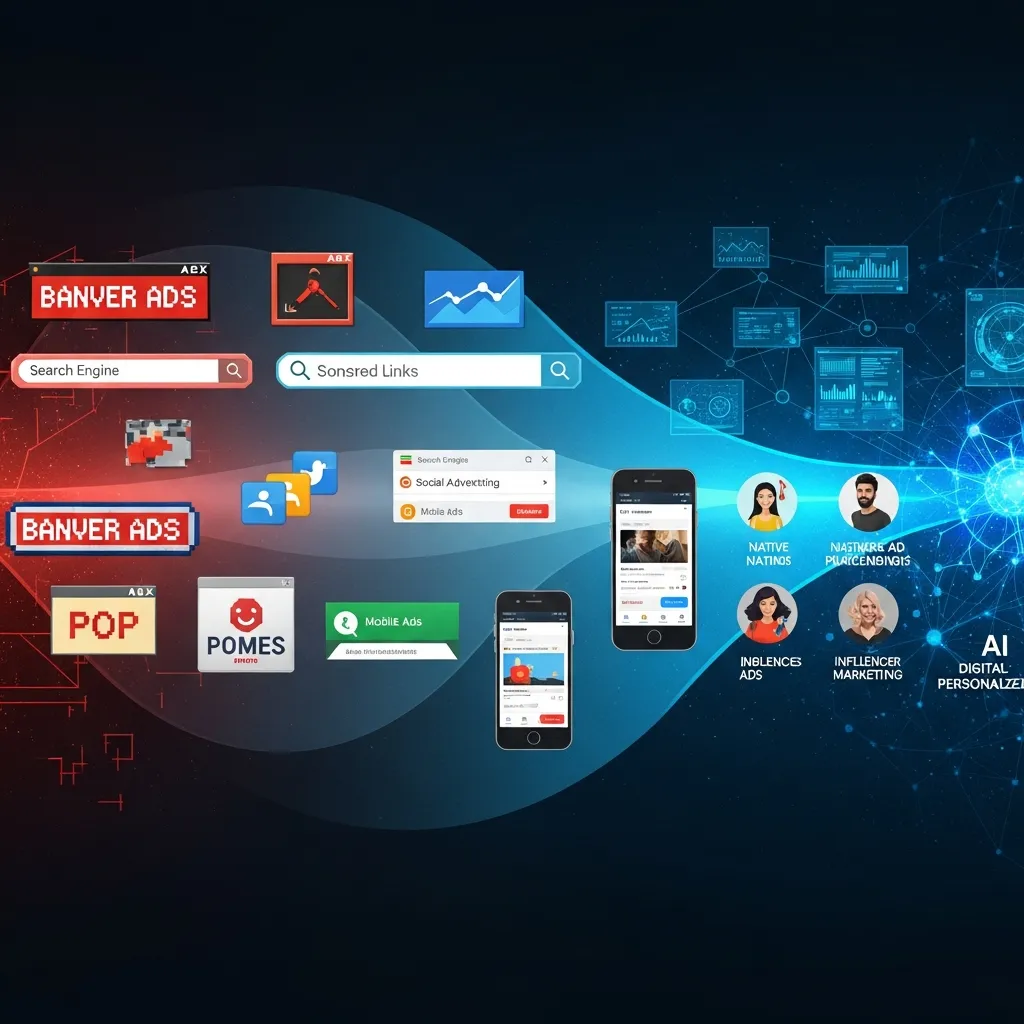
From Cookies to Contextual Solutions
Over the past decade, programmatic advertising has relied heavily on third party cookies to track user behavior and build audience segments. Advertisers used these identifiers to deliver personalized ads based on browsing history and demographic profiles. However, mounting privacy concerns led to major browsers phasing out support for third party cookies and regulators enforcing stringent data protection rules. This transition has sparked intense innovation in contextual AI advertising as a scalable alternative for targeting relevant audiences without compromising privacy.
Drivers of Change in Today’s Market
Several factors are accelerating the shift toward contextual AI solutions. Privacy legislation such as GDPR and CCPA forced marketers to reconsider data collection practices. Browser vendors like Safari, Firefox, and Chrome announced plans to block or limit cookies by default, creating gaps in audience insights and attribution capabilities. Advertisers responded by enhancing server side tracking, investing in first party data, and evaluating contextual intelligence platforms capable of analyzing page content in real time. As a result, contextual AI advertising has become not only a backup plan but a core strategy for maintaining campaign performance in a privacy first world.
Benefits Beyond Privacy
Contextual AI advertising delivers several advantages that extend beyond compliance. By placing ads alongside relevant content, brands can achieve higher engagement and lower bounce rates, since ad messaging is aligned with the user’s current interests. Moreover, this approach simplifies media planning by focusing on content categories rather than complex audience segments. In today’s competitive landscape, the combination of privacy compliance, brand safety, and contextual relevance positions contextual AI as a versatile solution for marketers seeking both efficiency and effectiveness.
Core Principles of Contextual AI Advertising

Semantic Analysis with NLP
At the heart of contextual AI advertising lies natural language processing (NLP). Advanced models such as transformer based encoders scan headlines, paragraphs, and metadata to extract themes, sentiment, and intent. By decoding language patterns and word relationships, these NLP systems generate semantic scores that indicate how closely a page aligns with specified ad topics. This granular categorization enables advertisers to target content with precision, ensuring that each impression contributes to campaign goals.
Visual Understanding through Computer Vision
Content relevance extends beyond text. Computer vision algorithms detect objects, scenes, and even brand logos within images and video frames. Frameworks like TensorFlow and PyTorch power object detectors that classify visual elements into contextual buckets. For example, an image of a running shoe on a sports blog may trigger placement of athletic apparel ads. By combining textual and visual signals, contextual AI advertising achieves a holistic view of page content that supports accurate ad matching.
Real Time Decisioning and Feedback Loops
Contextual AI platforms integrate real time decision engines that evaluate incoming page signals against campaign criteria. These engines use both rule based logic and machine learning models trained on historical performance data. Each ad placement contributes feedback that refines model weights, improving prediction accuracy over time. Through continuous learning cycles, contextual AI advertising adapts to evolving content trends and user preferences without storing personal identifiers.
Navigating the Cookieless Era
Regulatory Landscape and Privacy Mandates
Governments and regulatory bodies worldwide have enacted privacy laws that restrict the use of personal data for advertising. The General Data Protection Regulation (GDPR) and similar frameworks require explicit user consent and limit data retention. Advertisers must adopt privacy centric methods such as contextual AI advertising to avoid non compliance and fines. For more information on GDPR requirements, reference the official resource at gdpr.eu.
Browser Restrictions and Industry Initiatives
Major browsers are enforcing policies that delete or block third party cookies. Google’s Privacy Sandbox initiative introduces privacy preserving APIs for ad measurements, but widespread adoption is still underway. In the interim, contextual AI advertising serves as a proven approach that performs consistently across all browsers. Unlike cookie based methods, contextual targeting does not rely on user identifiers, making it resilient to browser changes and privacy enhancements.
Maintaining Measurement and Attribution
Without cookies, traditional attribution models face challenges in tracking user journeys across domains. Advertisers can complement contextual AI advertising with privacy conscious techniques such as aggregated conversion measurement, server side tracking, and unified analytics platforms. By tagging contextual segments and monitoring on page engagement metrics—like scroll depth and dwell time—marketers can derive meaningful performance insights. Attribution models that emphasize view through and time decay contributions help capture the influence of top of funnel exposures in a cookieless world.
Key Technologies and Data Signals

NLP and Transformer Models
State of the art transformer architectures such as BERT and variant encoders power semantic understanding in contextual AI advertising. These models ingest large corpora of text to learn language patterns and topic associations. Once trained, they process live content by generating embeddings that represent each page’s thematic footprint. High dimension embeddings allow for fine grained categorization across thousands of contexts, ensuring the right creative reaches the ideal environment.
Computer Vision and Multimodal Analysis
Advanced computer vision frameworks analyze images and video frames to extract contextual cues. By employing convolutional neural networks and object detection algorithms, platforms identify relevant visual objects, brand logos, and scene attributes. The fusion of text and visual signals creates a multimodal analysis pipeline that elevates ad relevance. Future enhancements in multimodal AI will integrate audio captions and video transcripts for even richer context detection.
Data Signal Integration and Standards
Contextual AI advertising platforms consume a variety of signals including page URL, DOM structure, heading tags, open graph metadata, and image alt text. Real time bidding infrastructures process these signals alongside dynamic data feeds such as local weather, trending news sentiment, and economic indicators. Security and interoperability of these data streams adhere to standards from institutions like NIST. Visit nist.gov for guidelines on data security and privacy frameworks that underpin reliable contextual deployments.
Best Practices for Campaign Design and Execution
Defining Clear Objectives
Begin every contextual AI advertising initiative by specifying measurable objectives. Determine whether your focus is brand awareness, lead generation, or direct response. Each objective requires tailored key performance indicators (KPIs) such as viewability rates, engagement time, or conversion actions. Align creative formats and context segments with these goals to maximize impact.
Platform Selection and Integration
Choose a contextual AI advertising solution that provides real time content scoring, robust APIs, and seamless integration with demand side platforms. Ensure the platform supports dynamic creative optimization, frequency capping, and automated bidding rules. Integrate first party data sources such as CRM segments or on site behavior into the decisioning layer to combine the scale of contextual signals with proprietary audience insights.
Creative Segmentation and Dynamic Optimization
Develop multiple creative variations aligned to distinct content themes. Use dynamic creative optimization to test combinations of headlines, visuals, and calls to action. Implement A B testing on landing pages that correspond to each context cluster. Review performance metrics by ad variation and context segment to identify top performing combinations, then allocate budget accordingly.
Privacy and Compliance Handling
Even though contextual AI advertising does not process personal identifiers, it is essential to maintain transparent data practices. Work with legal teams to audit data collection scripts, contextual scoring models, and tag deployment. Ensure compliance with consent management platforms and provide clear privacy notices to site visitors. A documented privacy policy that outlines contextual data usage reinforces brand credibility.
Ongoing Measurement and Optimization
Continuously monitor campaign performance through granular analytics dashboards. Track contextual segment IDs, match rates, click through rates, and post click conversions. Employ attribution methodologies that capture both direct and view through contributions. Regularly retrain AI models using fresh performance data to refine content classification accuracy. Schedule periodic audits to identify underperforming categories and reallocate resources to high ROI contexts.
Conclusion
Contextual AI advertising presents a privacy compliant, future proof solution for brands navigating the cookieless era. By focusing on real time content analysis powered by NLP, computer vision, and machine learning, marketers can deliver relevant ads without relying on personal identifiers. This year (2026), advertisers who adopt contextual AI advertising will benefit from enhanced user trust, improved engagement rates, and a resilient targeting strategy that adapts to evolving regulations and browser policies. Embrace these best practices—defining clear objectives, selecting the right platforms, segmenting creatives, and maintaining rigorous measurement—to build campaigns that drive sustainable growth. In today’s digital ecosystem, contextual AI advertising bridges the gap between relevance and privacy, empowering brands to thrive in an era where consumer protection and performance go hand in hand.



[…] includes Ad privacy controls for managing features such as ad topics, site-suggested ads, and ad […]