
Cross-Channel Advertising helps brands coordinate messages across channels so people feel guided, not chased. It combines timing, consistency, and measurement to improve trust, relevance, and conversions.
Cross-Channel Advertising is not just a marketing tactic; it is a response to how people actually move through the digital world. Someone may discover a brand on social media, compare it on search, read reviews on a laptop, and finally buy through mobile. When those touchpoints work together, the experience feels smoother and more human. Cross-Channel Advertising gives marketers a way to connect those moments into one story.
Cross-Channel Advertising matters because attention is fragmented. People switch devices, pause their research, come back later, and often decide after several exposures. A message that is repeated without context feels wasteful, but a message that adapts to the journey feels helpful. That is why Cross-Channel Advertising has become one of the most practical frameworks in modern marketing.
Understanding the Core Idea
At its core, Cross-Channel Advertising means planning advertising so that each channel supports the next one. A display ad can raise awareness, a search ad can answer intent, an email can remove hesitation, and a remarketing ad can bring the journey back into focus. When these pieces align, Cross-Channel Advertising creates continuity across the path to purchase.
This approach is different from simply being present on many platforms. Running ads everywhere does not automatically create coherence. Cross-Channel Advertising requires a shared message architecture, a clear audience understanding, and a disciplined view of frequency. Without those elements, every channel competes with the others instead of building momentum.
Why Human Psychology Matters
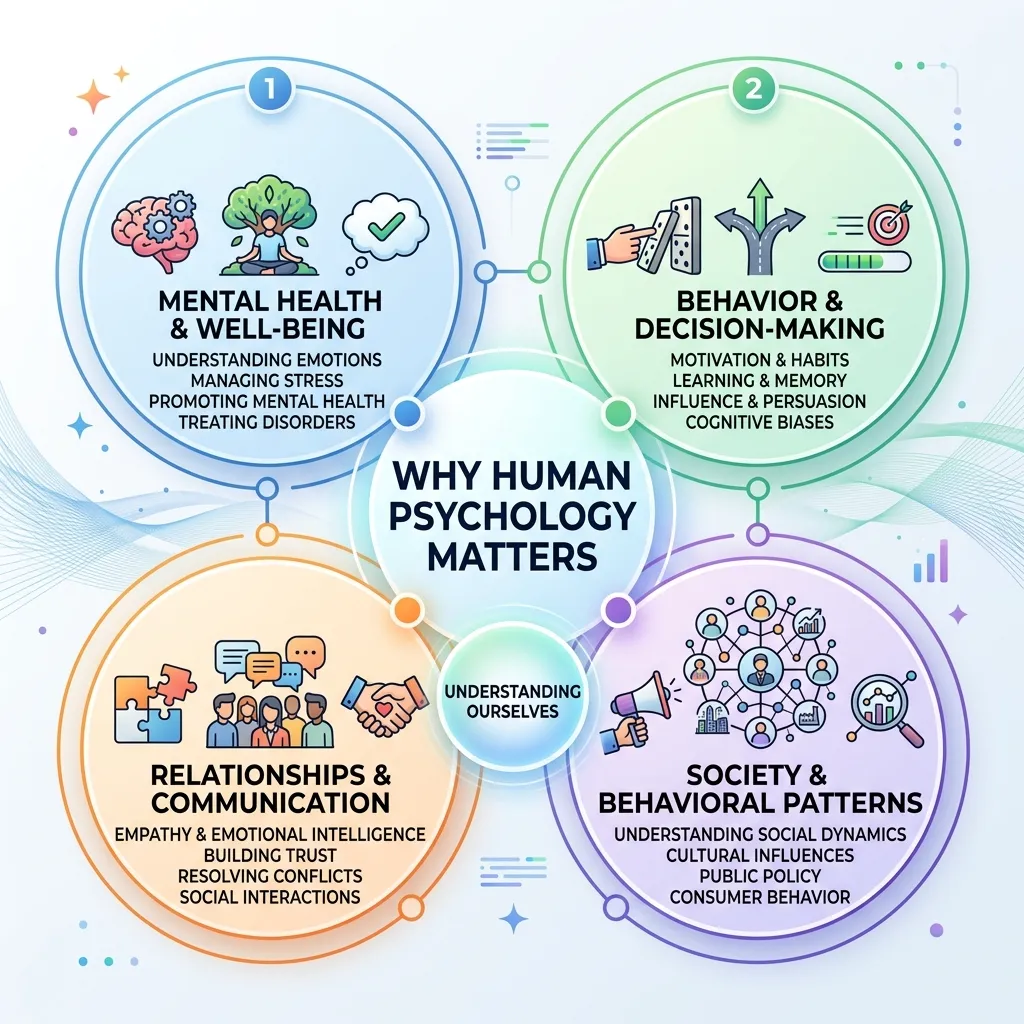
People rarely make decisions in one step, and Cross-Channel Advertising respects that reality. The brain prefers familiarity, clarity, and low-friction choices. When a brand appears in a thoughtful sequence, the person feels less uncertainty and more confidence. That psychological comfort is one reason Cross-Channel Advertising can improve results without sounding louder.
Trust grows when a message feels consistent over time. If one ad promises one thing while another contradicts it, the audience experiences confusion. Cross-Channel Advertising helps reduce that conflict by keeping the promise steady while changing the format, timing, or depth based on intent.
Building a Practical Framework
A useful Cross-Channel Advertising framework starts with the audience journey. First, identify awareness moments. Second, define consideration moments. Third, map conversion moments. Fourth, decide where retention happens. This structure turns Cross-Channel Advertising into a working system instead of a vague slogan.
Next, assign channel roles. Search captures demand, social creates discovery, video builds memory, email deepens the relationship, and retargeting keeps the opportunity alive. When each role is clear, Cross-Channel Advertising becomes easier to manage and much easier to scale.
Creative Strategy Across Channels
Creative consistency is one of the strongest signals in Cross-Channel Advertising. The design language, tone of voice, and value proposition should feel related even when the format changes. A short video, a carousel, a landing page, and a follow-up email can all express the same idea in different ways.
At the same time, the creative should not be identical everywhere. People expect different levels of detail on different platforms, and Cross-Channel Advertising works best when the message is translated, not copied. This translation makes the campaign feel native to each environment while still preserving brand unity.
Measurement and Attribution
Measurement is where many teams struggle with Cross-Channel Advertising. Last-click thinking hides the supporting influence of earlier channels, while overcomplicated attribution models can create confusion. The goal is not perfect certainty; the goal is a better decision-making framework that reflects how people really convert.
Strong measurement starts with clean tracking, consistent naming, and clear outcomes. Brands should look at assisted conversions, incrementality, engagement quality, and conversion lag. Cross-Channel Advertising becomes far more effective when teams can see how each touchpoint contributes instead of only counting the final step.
Privacy and the New Landscape
Privacy changes have pushed marketers to think differently, and Privacy-First Advertising is now part of that conversation. People expect transparency, control, and respectful data use. Cross-Channel Advertising fits this environment because coordination does not have to depend on intrusive tactics; it can depend on relevance and consent.
As third-party signals become less reliable, first-party relationships matter more. That means brands must earn attention through useful content, honest messaging, and value exchange. Cross-Channel Advertising can still thrive in a privacy-aware world when it is built on trust instead of surveillance.
AI and the Future of Coordination
Mastering AI-Powered Advertising is changing how teams design, test, and optimize campaigns. Automation can identify patterns faster, suggest audience segments, personalize creative variants, and improve bidding decisions. Used well, it strengthens Cross-Channel Advertising by making the system more responsive.
Still, AI should support strategy, not replace it. The best results come when humans define the brand voice, business priorities, and ethical boundaries, while AI handles scale and speed. In that balance, Cross-Channel Advertising becomes both smarter and more efficient.
Current Market Shifts
The latest trends digital advertising show a move toward connected customer experiences, shorter decision cycles, and more pressure on performance accountability. Audiences expect faster answers and more useful content, which makes coordination even more important. Cross-Channel Advertising helps brands adapt to that environment without losing consistency.
Short-form video, creator partnerships, retail media, and omnichannel journeys are all reshaping media planning. Each trend rewards brands that can keep the story coherent as people move from discovery to comparison to purchase. For that reason, Cross-Channel Advertising is not a temporary idea; it is becoming a default operating model.
Common Mistakes to Avoid
One common mistake in Cross-Channel Advertising is overexposure. If the same audience sees the same offer too many times, fatigue rises and performance drops. Smart sequencing matters more than simple repetition.
Another mistake is using channels without defining their roles. When everything is treated as a direct-response tool, upper-funnel impact gets ignored and the campaign loses depth. Cross-Channel Advertising works best when each channel has a job that matches the user’s stage.
A Deeper Look at Strategy in Cross-Channel Advertising

1. Clear Business Goals
Cross-Channel Advertising should begin with a clear business goal. Revenue, leads, trials, downloads, and retention all require different sequencing. When the goal is specific, the creative, media mix, and optimization plan can support it more intelligently.
2. Audience Segmentation Matters
Cross-Channel Advertising also depends on audience segmentation. A first-time visitor needs education, while an existing customer may need reassurance or an upgrade path. Different segments react to different signals, so the campaign should change with the person’s context.
3. Connecting Content and Paid Media
Cross-Channel Advertising becomes more efficient when brands connect content and paid media. Organic articles, explainer videos, social posts, and email nurtures can prepare the audience before paid conversion efforts begin.
4. Frequency Planning and Balance
Frequency planning is another major part of Cross-Channel Advertising. The aim is to stay present enough to be remembered without becoming annoying. Balanced frequency supports familiarity, and familiarity often lowers resistance.
5. Improving Customer Lifetime Value
Cross-Channel Advertising can also improve customer lifetime value. After the first conversion, the same channel network can support onboarding, cross-sell, renewal, and advocacy.
6. Measuring True Contribution
When analyzing Cross-Channel Advertising, teams should compare channels by contribution, not vanity. Views, clicks, and impressions matter only when they support a real business outcome.
7. Seamless Landing Page Experience
Cross-Channel Advertising is strongest when landing pages continue the same promise that the ads began. The transition should feel seamless, fast, and credible.
8. Smart Sequencing of Messages
Good sequencing is essential in Cross-Channel Advertising. A prospect may need an educational video first, then a case study, then a limited-time offer. The order matters as much as the message.
9. Creative Testing and Optimization
Cross-Channel Advertising benefits from strong creative testing. Small changes in headline, image, CTA, or format can significantly affect performance across channels.
10. Brand Identity Protection
From a brand perspective, Cross-Channel Advertising protects identity. It keeps the story recognizable while allowing each platform to play its own role.
11. Works for All Business Sizes
Cross-Channel Advertising is not limited to big budgets. Smaller teams can succeed by using fewer channels, clearer messaging, and tighter measurement.
12. Efficiency Through Consistency
Consistency improves efficiency in Cross-Channel Advertising. The more channels support each other, the less waste appears in the funnel.
13. Human Behavior Alignment
Cross-Channel Advertising works because it mirrors how people think. Users compare, pause, revisit, and reconsider before making decisions.
14. Mapping Audience Questions
Marketers should document audience questions at each stage. This becomes the foundation for content, targeting, and follow-up in Cross-Channel Advertising.
15. Cross-Team Collaboration
Cross-Channel Advertising becomes stronger when customer service, sales, and marketing share insights. Real objections lead to better campaigns.
16. Faster Decision Cycles
In many industries, Cross-Channel Advertising shortens the time between interest and action by reducing confusion and improving guidance.
17. Message Variation Strategy
Repetition with variation is important. The message stays consistent, but the angle changes based on context and platform.
18. Post-Purchase Experience
Cross-Channel Advertising should continue after purchase. Onboarding, support, and retention help build long-term value.
19. Better Analytics Insights
Connected channels make analytics more meaningful by showing the full customer journey, not just the final click.
20. Competing with Clarity
Cross-Channel Advertising helps brands compete with clarity instead of noise, reducing decision fatigue for users.
21. Process and System Design
Shared calendars, naming rules, and testing frameworks make Cross-Channel Advertising more stable and scalable.
22. Matching Content to Intent
Different formats serve different intent levels: awareness, consideration, and conversion. Each stage needs a different message.
23. Value-Led Engagement
Due to privacy changes, Cross-Channel Advertising relies more on trust, consent, and useful content instead of aggressive tracking.
24. Continuous Adaptation
Campaigns must evolve because customer behavior changes over time. Regular review keeps Cross-Channel Advertising effective.
25. Invisible User Experience
At its best, Cross-Channel Advertising feels seamless and natural, guiding users without pressure or friction.
Planning Table

Below is a simple planning table that teams can use to assign responsibilities across the journey. It keeps the work organized and makes it easier to avoid overlapping messages or wasted spend.
| Channel | Main Job | Best Content | Primary Metric |
|---|---|---|---|
| Search | Capture active intent | Keywords, landing pages, comparison copy | Conversions, CTR |
| Social | Create discovery | Short video, creator content, story-led ads | Engagement, reach |
| Video | Build memory | Product demos, explainer videos, testimonials | View-through rate, completion |
| Deepen interest | Nurture sequences, offers, education | Opens, clicks, assisted conversions | |
| Retargeting | Recover interest | Dynamic creative, reminders, urgency | Return visits, conversion lift |
| Retail media | Influence purchase | Sponsored listings, promotional placements | Sales, ROAS |
A useful planning process starts with one audience and one business goal. Trying to serve everyone at once usually creates vague messaging, unclear targeting, and disappointing performance. A tighter brief makes the media plan easier to shape and the creative easier to judge. Once the audience is defined, the team can identify the questions they ask at each stage and build assets that answer those questions in order.
Teams should also think in terms of intent, not just channels. Some people are looking for basic education, some are comparing options, and some are ready to act immediately. Each group needs a different kind of proof. Educational audiences respond to clarity and confidence. Comparison audiences need differentiation. Ready-to-buy audiences want speed, simplicity, and a reason to choose now. Matching the message to the moment often improves both efficiency and user experience.
Budget decisions become clearer when the funnel is mapped properly. Awareness channels typically need enough reach to create memory, while lower-funnel channels need enough flexibility to convert demand once it appears. A common mistake is starving the upper funnel and then expecting lower funnel ads to do all the work. Another mistake is spending heavily on discovery without creating a strong path to purchase. Balance matters because each stage supports the next one.
Creative operations matter as much as media buying. Good cross-channel work depends on a steady pipeline of headlines, visuals, landing pages, and offers. Without that pipeline, campaigns become repetitive and the audience stops noticing them. A simple review cycle can prevent this problem: define the message, create variants, test them, learn quickly, and improve the next round. Over time, that rhythm creates a marketing system that keeps getting sharper.
Customer trust should always shape the experience. People are quick to notice when a brand feels pushy, inconsistent, or overly invasive. Respectful marketing uses timing and relevance instead of pressure. That does not mean campaigns should be timid. It means the value should be clear before the ask becomes strong. When people feel understood, they are more likely to stay engaged and more willing to move forward on their own terms.
Measurement should be practical rather than overwhelming. Teams often collect too many numbers and too little meaning. A better approach is to choose a small set of business signals and track them consistently over time. Examples include assisted revenue, lead quality, repeat visits, conversion rate, and customer retention. Once the team understands how channels influence those outcomes, the entire budget conversation becomes more strategic and less reactive.
A mature strategy also looks beyond the first conversion. The best campaigns do not stop when the sale happens. They continue through onboarding, support, cross-sell, and advocacy. A person who has a positive post-purchase experience is more likely to buy again and recommend the brand. This is where coordination becomes especially valuable, because the same customer should not feel like a stranger after the first transaction.
Finally, teams should review performance in cycles instead of chasing every short-term fluctuation. Daily noise can distract marketers from the bigger picture. Weekly and monthly patterns are often more reliable for strategic decisions. By comparing results across time, the team can see which sequences, messages, and channels are actually building durable momentum. That kind of patience creates stronger decisions and a more stable growth engine.
Strong execution also depends on internal alignment. When planning, analytics, creative, sales, and leadership all share the same definition of success, campaigns move faster and mistakes shrink. That alignment turns marketing into a repeatable operating system rather than a series of disconnected experiments across teams and channels alike.
Conclusion
In the end, Cross-Channel Advertising succeeds because it follows people instead of forcing them into a single channel. It respects attention, reduces friction, and keeps the brand story coherent from discovery to conversion and beyond. When teams combine clear goals, thoughtful creative, strong measurement, privacy-aware tactics, and responsible automation, Cross-Channel Advertising becomes more than a media strategy. It becomes a better way to communicate. For modern brands, that matters because trust is built through repeated useful experiences, not through volume alone. The future will reward marketers who can coordinate channels with discipline, empathy, and adaptability.
FAQs About Cross-Channel Advertising
What is Cross-Channel Advertising?
It is a strategy that connects multiple marketing channels so audiences receive a consistent and coordinated experience instead of disconnected messages.
Why is it important?
It matters because people switch between devices and platforms before making a purchase, and this approach helps brands stay relevant throughout the journey.
How is it different from multichannel marketing?
Multichannel marketing uses several platforms separately, while this approach aligns them so they work together toward a shared goal.
Which channels work best?
The best mix depends on the audience, but search, social media, email, video, and retargeting are commonly used.
How do you measure performance?
Measurement includes assisted conversions, attribution models, incrementality testing, and engagement quality across touchpoints.
Does privacy affect it?
Yes. Privacy changes encourage the use of consent-based tracking, first-party data, and transparent value exchange.
Can small businesses use it?
Yes. Small teams can focus on fewer channels, keep messaging consistent, and track results carefully.
How does AI help?
AI improves audience targeting, creative testing, and optimization, making campaigns more efficient and adaptive.
What are common mistakes?
Common issues include inconsistent messaging, poor sequencing, weak tracking, and excessive repetition across channels.
What is the future of this strategy?
The future will likely be shaped by privacy rules, AI-driven personalization, and stronger demand for connected customer experiences.