Persuasive ad copywriting helps brands turn attention into action by using clear benefits, emotional triggers, and audience-focused language that makes the next step feel obvious.
Why persuasive ad copywriting matters
Persuasive ad copywriting is not about sounding clever. It is about helping the right person feel understood fast enough to act. When a reader sees a message that reflects a real problem, a desired outcome, or a hidden fear, attention rises and resistance drops. That is why persuasive ad copywriting works so well across search ads, landing pages, email, social media, and display campaigns.
The strongest persuasive ad copywriting does three things at once. It grabs attention, it creates relevance, and it makes the offer feel like a sensible choice. People rarely buy because of information alone. They buy when the message makes them feel that the product fits their situation better than the alternatives. That emotional shift is the core of persuasive ad copywriting.
The psychology behind response
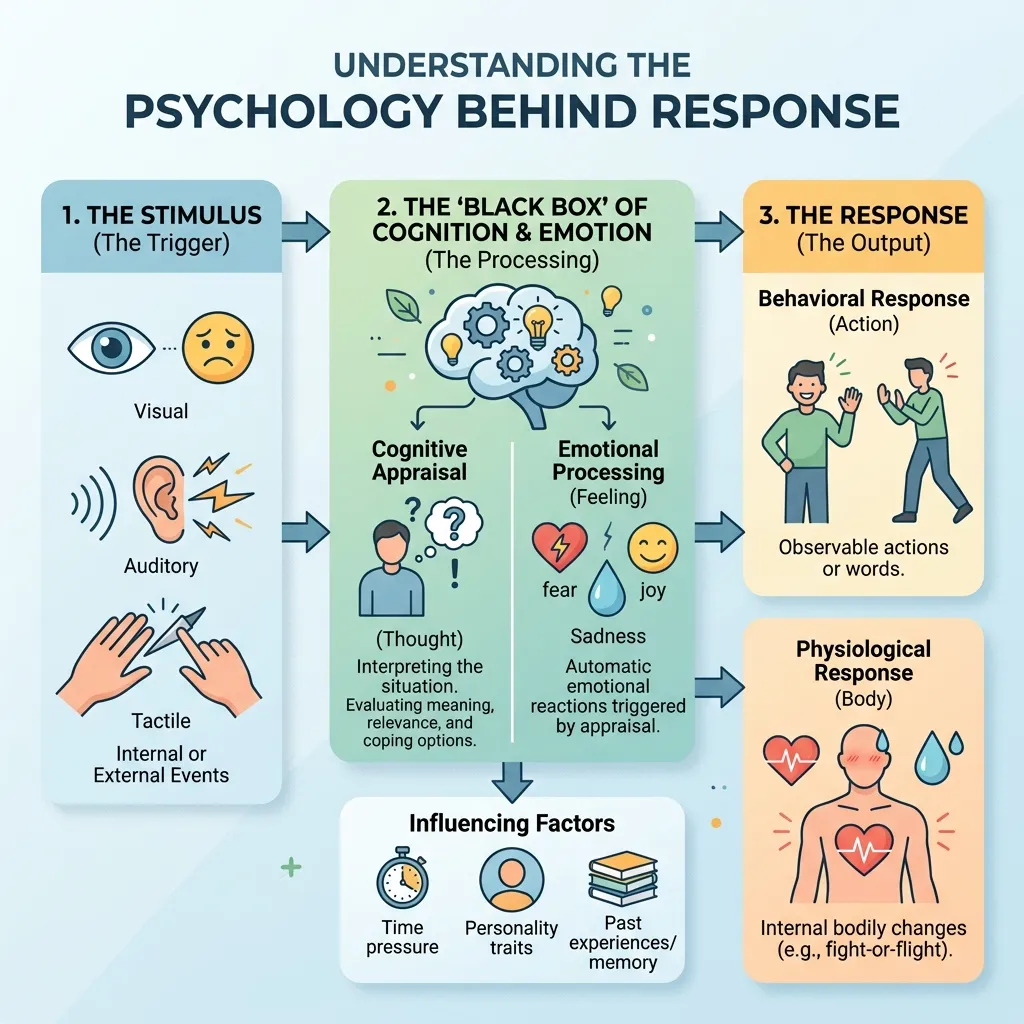
persuasive ad copywriting depends on human psychology more than on fancy wording. People are motivated by relief, status, convenience, belonging, confidence, and speed. Good copy speaks to one of those motives without sounding forced. When the audience feels seen, the message becomes believable.
One reason persuasive ad copywriting converts is that it reduces mental effort. If a headline is clear, the offer is easy to understand, and the benefit is specific, the brain does not need to work hard. Simple messages usually perform better because they feel safer. persuasive ad copywriting uses clarity to lower friction and move the reader toward a decision.
What people respond to
persuasive ad copywriting usually improves when it leans on a few reliable drivers:
- a specific problem
- a clear promise
- proof or credibility
- reduced risk
- a simple call to action
These drivers matter because buyers want confidence. When persuasive ad copywriting answers the obvious questions before the audience asks them, the message feels more trustworthy.
Building a persuasive message
persuasive ad copywriting starts with the audience, not the brand. Before writing anything, define who the message is for, what they want, and what stops them from acting. A good offer can still fail if the copy does not speak to the reader’s current emotional state.
The best persuasive ad copywriting often follows a simple structure: problem, tension, solution, proof, and action. That structure works because it mirrors how people think. First they notice a pain point. Then they wonder whether the pain can be solved. Then they look for evidence. Finally they decide whether the offer is safe enough to try. persuasive ad copywriting guides that process instead of fighting it.
Headline strategy
The headline is where persuasive ad copywriting begins earning attention. If the headline feels vague, the rest of the copy may never be read. A strong headline should signal relevance, desired outcome, or a specific change. It should make the reader feel that continuing is worth the time.
persuasive ad copywriting also benefits from emotional specificity. Instead of saying something broad like “Improve Your Business,” try a message that suggests a direct gain, such as speed, confidence, savings, or better results. Readers do not buy generic promises. They buy messages that feel immediately useful.
Good headlines are clear
persuasive ad copywriting is strongest when the headline does not try to impress everyone. It should speak to one audience segment and one clear desire. When the message feels targeted, the audience feels that the offer was made for them.
Body copy that keeps interest
After the headline, persuasive ad copywriting has to maintain momentum. This is where many campaigns lose people. The body copy should expand the promise, show why it matters, and remove doubt. A good body section does not repeat the headline blindly. It deepens the reason to care.
One effective approach in persuasive ad copywriting is to translate features into outcomes. A feature explains what something is. A benefit explains why that feature matters. A stronger benefit explains how life feels after the problem is solved. That emotional layer is often what drives the response.
Ad Copy Examples in action
Ad Copy Examples are useful because they show how the same offer can be framed in different ways. One version may emphasize urgency, another may emphasize ease, and another may highlight social proof. By comparing Ad Copy Examples, marketers can see which emotional angle creates the most traction.
In practice, Ad Copy Examples should be tested against real audience behavior rather than personal preference. A polished sentence is not automatically effective. A simple line that speaks directly to a need may outperform a more creative one. That is why Ad Copy Examples are best used as learning tools, not as final answers.
Cross-channel consistency
persuasive ad copywriting becomes more effective when the message stays consistent across channels. A search ad may create the first click, a landing page may build trust, and an email may close the loop. If the tone and promise change too much, the audience may lose confidence.
Cross-Channel Advertising works best when each touchpoint reinforces the same value proposition in a slightly different format. The ad can be sharp and concise, the landing page can be more detailed, and the follow-up email can address objections. persuasive ad copywriting holds those pieces together so the experience feels cohesive.
Where creativity helps and where it hurts
persuasive ad copywriting should be creative enough to stand out but clear enough to be understood instantly. Creativity is useful when it makes the message easier to remember. It becomes a problem when it confuses the reader or hides the offer.
The safest way to use creativity in persuasive ad copywriting is to keep the structure simple and let the language do the work. A surprising phrase, a vivid image, or a strong comparison can improve memorability. But the promise should never be buried under style.
Using proof without sounding fake

Proof is one of the most important parts of persuasive ad copywriting. People want to know that the promise is real. Testimonials, numbers, demonstrations, and recognizable outcomes can all support credibility. The key is to use proof that matches the claim.
persuasive ad copywriting becomes more believable when proof is specific. “Trusted by thousands” is weaker than “used by 4,200 teams.” The more concrete the evidence, the easier it is for the brain to accept the message.
Risk reduction matters
persuasive ad copywriting also works because it reduces fear. Free trials, money-back guarantees, clear pricing, and simple next steps all lower resistance. When the reader feels that trying the offer will not create regret, action becomes easier.
The role of AI in modern writing
AI Copywriting Tools can speed up brainstorming, rewrite clunky sentences, and generate variations for testing. They are helpful for scale, but they do not replace strategy. A tool can suggest words. It cannot fully understand the psychology behind a buying decision.
AI Copywriting Tools are best used as support for human judgment. Writers still need to decide what the audience values, which objection matters most, and which angle fits the brand. In that sense, AI Copywriting Tools are assistants, not decision-makers.
Good offers still need good words
persuasive ad copywriting cannot fix a weak offer forever. If the product is confusing, the value is unclear, or the market does not care, the copy will struggle. Good writing can amplify strength, but it cannot manufacture relevance from nothing.
That is why Advertising Copywriting starts with offer clarity. Before polishing language, define the promise, the audience, and the reason to believe. Once those are strong, persuasive ad copywriting becomes much easier and more effective.
A practical framework
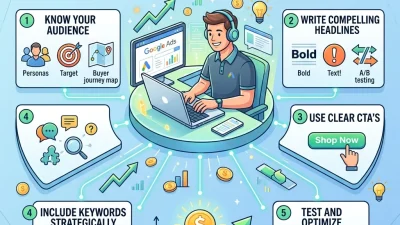
persuasive ad copywriting is easier when you use a repeatable framework:
- Identify the audience pain.
- Define the desired outcome.
- Choose the strongest emotional angle.
- Add one piece of proof.
- Make the call to action obvious.
This framework keeps the message focused. It also prevents the copy from becoming too broad or too clever. Most persuasive ad copywriting wins because it is disciplined.
Tone and brand voice
persuasive ad copywriting should match the brand voice without losing clarity. A luxury brand may sound refined. A direct-response brand may sound bold. A playful brand may use humor. But regardless of tone, the message still needs to be easy to follow.
The best persuasive ad copywriting is often conversational. It feels like one person helping another person make a decision. That simple human quality is one reason it performs well.
Testing and refinement
persuasive ad copywriting improves through testing. Headlines, offers, calls to action, and proof points can all change the outcome. Small wording differences may create big performance shifts. The market often tells you more than the meeting room does.
When testing, change one major variable at a time so you know what actually worked. If you test everything at once, the results become hard to interpret. persuasive ad copywriting gets sharper when each experiment teaches a clear lesson.
Elements of strong copy
| Element | Purpose | Why it helps |
|---|---|---|
| Headline | Gets attention | Makes relevance immediate |
| Benefit line | Creates desire | Shows why the offer matters |
| Proof | Builds trust | Reduces doubt |
| Objection handling | Removes friction | Eases hesitation |
| CTA | Prompts action | Tells the reader what to do next |
Putting it all together

persuasive ad copywriting works best when every line supports a single decision. The reader should feel understood, informed, and safe enough to move forward. When the message is too crowded, conversion drops. When it is too generic, attention drops. persuasive ad copywriting finds the balance between clarity and emotional pull.
One overlooked advantage is pacing. Strong copy often performs better when it gives the reader a sense of momentum without rushing the decision. Short sentences can create urgency. Longer sentences can create reassurance. Alternating the two can make the message feel more human and easier to absorb. That rhythm matters because readers rarely process ads as isolated lines; they experience them as a sequence of impressions. If the pace feels too slow, they scroll. If it feels too aggressive, they resist. The most reliable copy keeps moving while still sounding calm, practical, and trustworthy. That balance is subtle, but it is one of the reasons some campaigns feel instantly compelling while others disappear. Marketers who respect that rhythm usually see stronger engagement, better comprehension, and fewer wasted clicks across channels and audiences, especially when the offer is already relevant from the start. It supports long-term performance.
Conclusion
persuasive ad copywriting is a practical skill built on empathy, clarity, and testing. It works because it speaks to real human motives instead of relying on hype. The most effective copy does not try to sound impressive for its own sake. It explains the value, lowers fear, and makes the next step feel easy. Strong messages combine a clear audience insight, a useful promise, and proof that supports belief. When those parts work together, persuasive ad copywriting becomes more than marketing language. It becomes a tool that turns interest into action across ads, landing pages, emails, and social platforms. If you keep the audience’s psychology at the center, your copy will improve in a way that feels both natural and repeatable.
FAQs
1. What is persuasive ad copywriting?
persuasive ad copywriting is the practice of writing ads that move people toward action by combining clarity, emotion, and proof.
2. Why does persuasive ad copywriting matter?
It matters because it helps brands turn attention into clicks, leads, and sales more effectively.
3. What makes ad copy persuasive?
A persuasive message usually speaks to a real problem, promises a clear outcome, and reduces risk.
4. Are Ad Copy Examples useful?
Yes. Ad Copy Examples help writers compare angles, test styles, and learn what response patterns work best.
5. How does Advertising Copywriting differ from regular writing?
Advertising Copywriting focuses on action and conversion, while general writing may focus more on explanation or entertainment.
6. Can AI Copywriting Tools replace writers?
No. AI Copywriting Tools can speed up drafting, but human strategy, judgment, and brand understanding are still essential.
7. What is Cross-Channel Advertising?
Cross-Channel Advertising means using consistent messaging across multiple platforms so the audience has a smoother experience.
8. Should every ad use emotion?
Yes, but emotion should support clarity. The strongest persuasive ad copywriting uses emotion without becoming vague.
9. How do I improve my copy quickly?
Focus on one audience, one problem, one promise, and one strong proof point.
10. What is the biggest mistake in ad copy?
The biggest mistake is writing for style first and the audience second.