Practical persuasion begins with a clear promise, a real reader problem, and a believable next step; when those pieces line up, ads feel helpful, not forced.
What Makes Ad Copy Work
Strong copy begins with one clear promise, because readers decide in seconds whether a message matters to them. The best versions feel specific, immediate, and easy to trust, which is why they can outperform vague promotional lines.
Effective ad copy examples do not try to impress everyone. They speak directly to a problem, name the desired outcome, and make the next step feel low-risk, familiar, and worthwhile.
When people scan ads, they are not looking for cleverness first; they are looking for relevance. That is why ad copy examples usually work best when they mirror the audience’s own words and concerns.
Strong ad copy examples also respect the reader’s time. They reduce friction by making the offer easy to understand, the benefit easy to picture, and the action easy to take.
The real purpose of ad copy examples is persuasion without confusion, because clarity creates confidence and confidence creates clicks, saves, inquiries, or sales.
Before writing these messages, define who the message is for, what they already believe, and what would make them hesitate. Those three questions shape tone, angle, and proof.
Many beginners treat ad copy examples like decoration, but they are really decision tools. Each word should help someone move from curiosity to interest and from interest to intent.
Understanding the Reader Before Writing
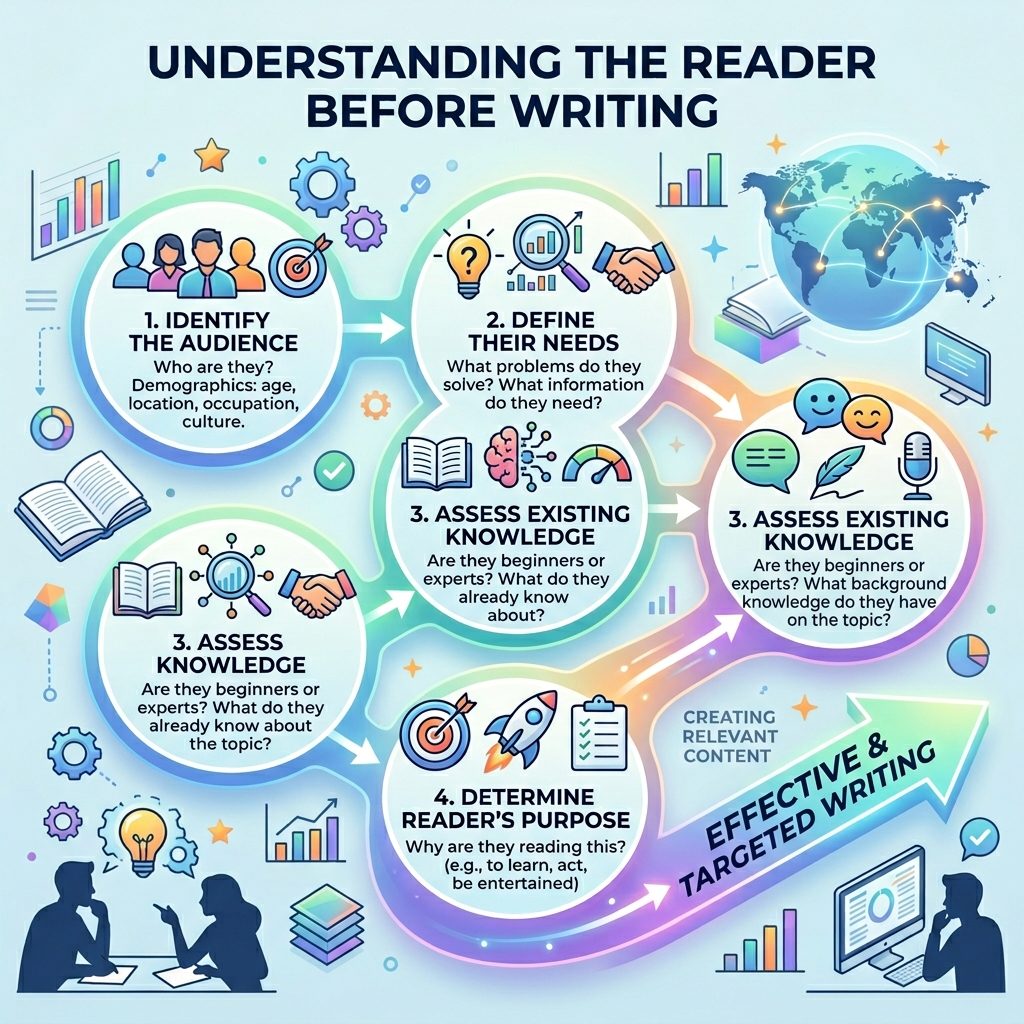
The strongest ad copy examples often use simple language because simple language feels honest. Plain words lower resistance and make the message feel more believable in crowded feeds.
If the audience is already aware of the category, ad copy examples should highlight difference rather than definition. If the audience is new, they should explain value before they ask for commitment.
One of the biggest mistakes in ad copy examples is sounding like the brand instead of sounding like the customer. The message should reflect how the audience speaks when nobody is marketing to them.
Strong ad copy examples are built around real tension. When a person feels stuck, uncertain, rushed, or underinformed, the copy should meet that feeling with a useful answer rather than a loud slogan.
Audience awareness matters because not everyone is ready for the same promise. Some people need context, some need reassurance, and some need only a small nudge before they act.
The most useful ad copy examples often begin by naming the situation the reader is already living through. Once the moment feels familiar, the offer no longer feels random.
When a message reflects an actual conversation from the market, ad copy examples gain a kind of social proof before the proof appears. They sound like they belong. Learn more details :Cross-Channel Advertising
Emotion, Trust, and Credibility
Emotion matters in ad copy examples because people rarely respond to information alone. They respond to relief, hope, status, belonging, safety, pride, and the feeling of making a smart choice.
A fear-based line can work in ad copy examples when it points to a real loss and then immediately offers a practical escape. Without that second part, fear only creates distance.
Curiosity is another powerful lever in ad copy examples. When a headline suggests a useful insight or unexpected result, readers keep going because the brain wants to close the gap.
Trust is built when ad copy examples avoid exaggeration. Specific numbers, grounded claims, and visible proof often outperform hyperbole because they feel earned instead of manufactured.
One emotional principle behind ad copy examples is that people want to feel understood before they want to be sold. A message that names their frustration can feel almost personal.
That is why many of the best ad copy examples sound less like a campaign and more like a useful recommendation from someone who has already solved the same problem.
Credibility grows when the copy admits limits, shows evidence, and avoids overclaiming. Readers are unusually sensitive to sales language that feels inflated, so restraint can become a competitive advantage.
The Core Structure of Persuasive Ads
Great ad copy examples usually follow a simple structure: attention, relevance, benefit, proof, and action. That sequence works because it matches the way people evaluate unfamiliar offers.
Attention comes first in ad copy examples, but attention alone is not enough. A flashy line that fails to connect with the audience will get noticed and forgotten in the same breath.
Relevance in ad copy examples is built by naming a problem the reader already recognizes. Once the problem feels familiar, the benefit can feel like a realistic path forward.
Proof in ad copy examples can come from reviews, results, demonstrations, statistics, expert references, or a clear explanation of how the product works. Proof lowers the emotional cost of saying yes.
The action in ad copy examples should always feel proportionate to the promise. A small commitment deserves a small ask, while a bigger transformation may need more evidence before the click.
When these elements are aligned, ad copy examples stop sounding promotional and start sounding useful, which is exactly what makes them persuasive across search, social, email, and display placements.
A useful test is to ask whether each line supports the next line. If a sentence does not help the reader move forward, it may be taking up more space than it earns. Find out more details : Programmatic Advertising Demystified
Headline, Body, and Call to Action

Headlines in ad copy examples carry the most pressure because they do the first job: earning the next second of attention. A good headline is not just catchy; it is directional.
Body copy in ad copy examples should expand the promise without repeating it word for word. This is the place to clarify the mechanism, describe the value, and answer silent objections.
Calls to action in ad copy examples work better when they feel like the logical next step. “Learn more” may fit a warm audience, while “Get the guide” or “See pricing” can suit people farther down the path.
Supporting lines in ad copy examples often do quiet but important work. A short guarantee, a qualifier, or a proof point can remove doubt at the exact moment hesitation begins.
Even the spacing of ideas matters in ad copy examples. Short sentences create momentum, while longer sentences create context, and the best ads use both with intention.
When the structure is clean, ad copy examples become easier to remember, easier to trust, and easier to act on, which is the real objective behind every good campaign.
A headline should promise a benefit, a curiosity gap, or a clear audience fit. A body paragraph should then explain why that promise is worth believing. A call to action should close the loop without pressure.
Matching Copy to Channel and Format
Different channels need different ad copy examples. A search ad should be tight and intent-driven, while a social ad can be more conversational, visual, and curiosity-led.
Email-friendly ad copy examples often benefit from a warmer opening because the audience has already shown interest. That makes it possible to lead with relevance instead of trying to win attention from scratch.
Landing-page-aligned ad copy examples should match the promise on the page itself. When the ad and the destination feel connected, the reader experiences continuity instead of confusion.
In video and motion formats, ad copy examples need to work fast because movement changes attention patterns. The message should be readable, memorable, and understandable even without sound.
Different placements still share one rule: ad copy examples must fit the context. A message that feels natural in the environment will always have a better chance of being believed.
That is why planning matters so much. The same offer can perform very differently when the voice, framing, and proof are adapted to each touchpoint.
A display banner, a paid social carousel, and a search ad may all promote the same thing, but the reader’s mindset is not the same in each place. Matching the copy to that mindset is where the performance gain often appears.
Testing, Learning, and Iteration
Testing is one of the smartest ways to improve ad copy examples. Small changes in a headline, verb choice, audience signal, or proof point can reveal which angle resonates most.
A/B testing works best when ad copy examples change one variable at a time. That discipline makes it easier to learn what caused the improvement instead of guessing.
Good tests for ad copy examples are not only about clicks. Quality traffic, lower bounce rates, stronger leads, and higher downstream conversions matter just as much as the initial response.
Seasonality, price sensitivity, and audience maturity can all influence ad copy examples. A line that works during a launch may not work later when the market is more skeptical.
Testing also protects teams from creative bias. The version that sounds smartest in a meeting is not always the version that performs best in front of real people.
When a team treats ad copy examples as a living system rather than a finished artifact, the copy gets sharper every week and the marketing budget works harder.
A strong testing habit also makes teams more confident. Once the process is routine, creativity no longer feels like a gamble; it becomes a repeatable method for learning.
Practical Writing Habits That Improve Results
To write better ad copy examples, start with the customer’s tension, not the brand’s features. The more clearly you define the tension, the easier it becomes to write a message that feels helpful.
Then translate features into outcomes. In ad copy examples, a feature says what something is, while a benefit says why it matters to the person reading.
Remove unnecessary adjectives whenever possible. The cleanest ad copy examples often win because they sound grounded, not inflated, and grounded language creates trust.
Try reading ad copy examples out loud. If the rhythm feels awkward, the sentence may be too long, too technical, or too packed with assumptions.
Another useful habit is to ask, “Would the customer say this?” If the answer is no, the line may still sound polished but it will probably feel distant.
One more practice is to draft multiple angles before choosing one. ad copy examples often improve when a writer compares urgency, aspiration, proof, and simplicity side by side.
A useful editing rule is to remove words that do not change meaning. Every extra phrase asks the reader to work harder, and effort is one of the fastest ways to lose momentum.
The best writers also keep a swipe file of phrases that resonate in the market. That does not mean copying other brands; it means learning the patterns people already respond to.
Where Strategy Changes the Message

Final Principles for Stronger Campaigns
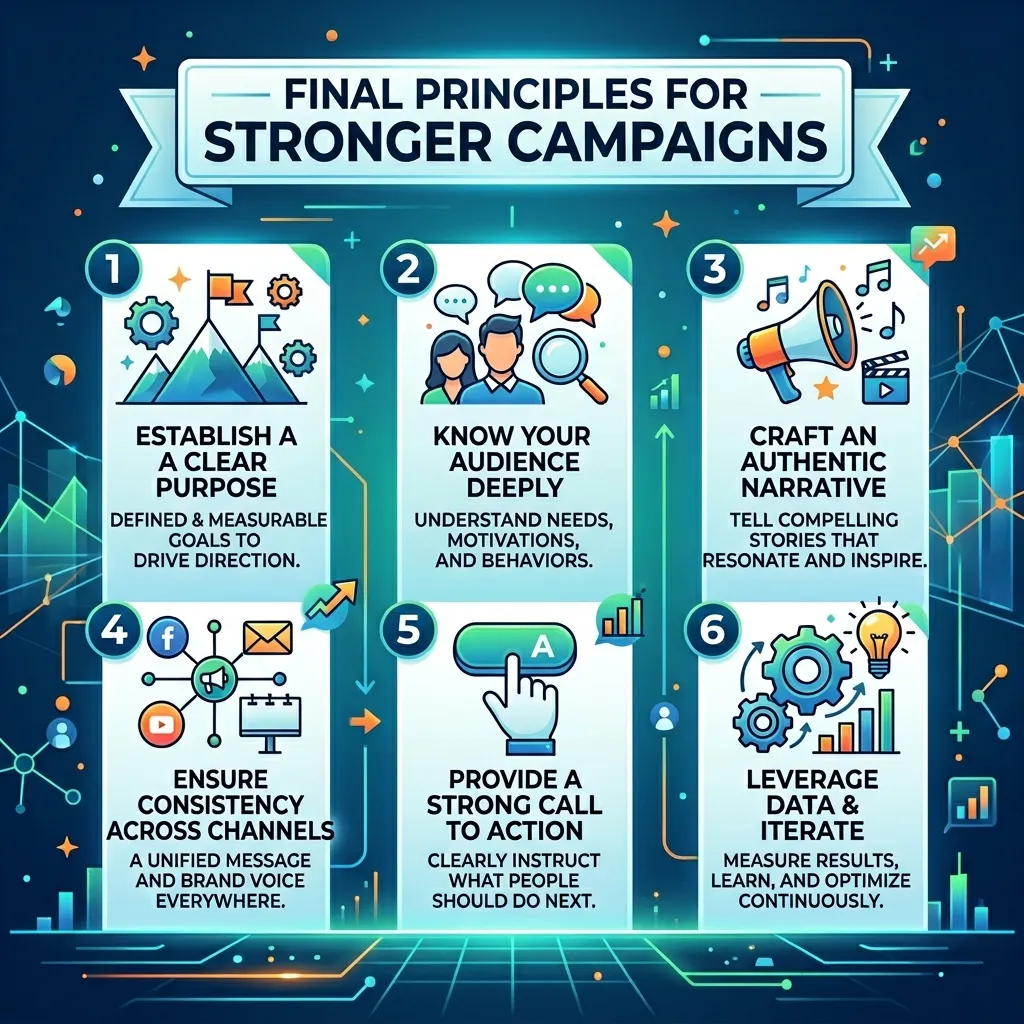
The highest-performing ad copy examples usually combine empathy, precision, and restraint. Empathy helps the message feel relevant, precision helps it feel believable, and restraint helps it feel professional.
It is also useful to remember that ad copy examples are not isolated lines. They are part of a larger persuasion path that includes the landing page, the offer, the creative, and the audience experience.
Writers often improve faster when they focus on one skill at a time. In ad copy examples, that might mean learning to sharpen headlines one week, then improving proof the next.
Another advanced habit is to study why a message worked, not just whether it worked. The reason behind performance is what helps the next round of ad copy examples get better.
A thoughtful process can turn even average campaigns into useful learning systems. When every message teaches something about the reader, the writing becomes more strategic over time.
The goal is not to write louder messages. The goal is to write clearer messages that make the reader feel understood, respected, and ready to move.
Conclusion
Conclusion: Strong advertising starts with understanding what a person needs, fears, and hopes to achieve. When the message is specific, calm, and easy to believe, it can do more than attract attention; it can reduce doubt and make the next step feel natural. The best performance comes from clear positioning, honest proof, and a reader-first angle that fits the channel, timing, and buying stage. That is why ad copy examples matter: they show how small wording choices can change how people read, trust, and act. Keep refining the message, keep listening to responses, and let each version become clearer than the one before.
FAQs
FAQ 1: What is ad copy?
Ad copy is the short persuasive text used in ads to move someone toward a click, a signup, a call, or a purchase. It works by combining relevance, benefit, and a clear action. Good writing does not just describe an offer; it shows why the offer matters now. Good writing also respects the moment the reader is in, so timing and tone matter as much as the offer itself. That helps conversion.
FAQ 2: How do I make an ad feel more persuasive?
Start with the audience’s problem, then show a realistic outcome they care about. Use plain language, specific proof, and a tone that matches the setting. When the promise feels believable and easy to picture, the reader is more likely to continue. A smart message often works because it feels like the clearest answer in a crowded, noisy feed. It keeps friction low.
FAQ 3: Should I write differently for social media and search?
Yes. Search usually captures existing intent, so the message should be tight and direct. Social media often interrupts attention, so the copy may need more curiosity, emotion, or context. The same offer can win or lose depending on how well the wording fits the environment. The right format can make the same idea feel much stronger. Context changes everything.
FAQ 4: How much proof should I include?
Enough to reduce hesitation without overwhelming the reader. A short testimonial, a number, a demo, a guarantee, or a brief explanation can be enough. The best proof is the kind that answers the doubt the audience is already carrying. Useful proof often does more than the most polished slogan. Small details matter.
FAQ 5: What mistakes should I avoid?
Avoid vague promises, inflated claims, too many ideas in one message, and language that sounds generic. Another common mistake is writing for the brand instead of the reader. The message should feel useful, specific, and grounded in a real outcome. Trust grows when the message sounds human rather than mechanical. That builds confidence.
FAQ 6: How do I know if the message is too long?
Read it aloud and notice whether every sentence earns its place. If the point becomes harder to see as the copy gets longer, it is probably too long for the channel. Clarity should improve as the reader moves through the text, not weaken. Shorter copy is easier to scan, but only if the promise stays complete. Scanning becomes easier.
FAQ 7: Can emotional writing still be factual?
Absolutely. Emotion and accuracy should work together. A claim can be warm, motivating, and human while still being honest and precise. In fact, the most effective messages often become stronger when they are both emotionally resonant and factually grounded. Readers remember honesty longer than hype. Reason wins faster.
FAQ 8: What makes a headline strong?
A strong headline quickly tells the reader why the message matters. It may promise a result, call out a pain point, or create curiosity with a useful angle. The best headlines are not merely clever; they are instantly relevant. Consistency reduces doubt. Memorable is measurable.