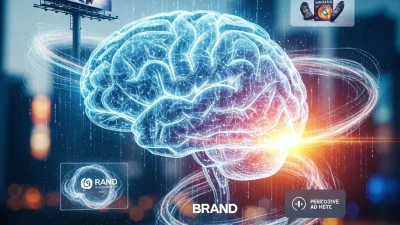
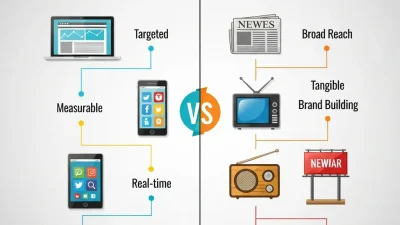
Generative AI Advertising is transforming how brands connect with audiences in today’s digital landscape. By harnessing advanced machine learning models, marketers can craft creative assets that adapt in real time, delivering personalized messaging at unprecedented scale. As consumer attention grows more fragmented, the ability to generate unique visuals, headlines, and calls-to-action dynamically has become a critical differentiator for businesses striving to boost engagement and return on investment. This article explores how Generative AI Advertising empowers teams to accelerate campaign delivery, refine audience targeting, and optimize budget spend—all while preserving brand consistency.
Currently, organizations across industries are seeking ways to streamline their creative workflows and unlock deeper insights from performance data. In this context, Generative AI Advertising stands out as a solution that automates repetitive tasks, enables rapid experimentation, and scales personalization efforts. By analyzing first-party signals, demographic trends, and real-time feedback, AI-driven platforms can iterate through thousands of ad variations in minutes—far exceeding the throughput of traditional creative processes.
This year , marketing leaders face mounting pressure to demonstrate measurable results and justify technology investments. Embracing Generative AI Advertising not only accelerates time-to-market but also frees up talented professionals to focus on strategic storytelling and brand differentiation. Over the next sections, we will discuss foundational concepts, benefits, practical applications, implementation strategies, and ethical considerations to help you unlock the full potential of dynamic creative at scale.
Understanding Generative AI Advertising
Generative AI Advertising refers to the use of artificial intelligence algorithms—particularly deep learning networks—to produce original marketing assets based on existing data and brand guidelines. These models ingest corpora of text, images, and campaign performance metrics, and then generate fresh content that aligns with specified parameters. Unlike rule-based or template systems, generative approaches adapt continuously by learning from engagement outcomes and optimizing subsequent iterations.
At the core of these solutions are architectures such as transformers and generative adversarial networks (GANs). For example, GPT-derived models excel at crafting persuasive copy, while GANs and diffusion-based networks create high-fidelity visuals. By combining these capabilities, a unified Generative AI Advertising platform can deliver both written and visual components tailored to individual audience profiles. As noted by the National Institute of Standards and Technology (NIST), standards for evaluating AI-generated media are evolving rapidly, ensuring quality and authenticity across campaigns (source: artificial-intelligence).
Training these systems typically involves feeding them brand voice documents, style guides, customer data, and compliance requirements. Once properly configured, the model can spin up multiple ad variants that adhere to your brand’s tone, color scheme, and message hierarchy. By leveraging contextual signals—such as browsing history or geographic location—Generative AI Advertising can serve personalized creative at the individual impression level. This granular customization drives higher relevance and fosters stronger connections with potential customers.
In addition to core algorithmic functions, many platforms integrate with analytics suites and content management systems. This seamless integration ensures that real-time performance data—click-through rates, conversion events, and dwell time—feeds back into the AI model. Over time, the system learns which combinations of copy, imagery, and layouts resonate most with each segment. The result is a perpetually self-optimizing campaign engine that thrives in today’s fast-paced marketing environment.
Advantages of Generative AI for Creative Production

One of the most compelling benefits of Generative AI Advertising is the dramatic reduction in creative turnaround times. Traditional workflows involve concept development, design drafts, stakeholder reviews, and multiple revision cycles, often spanning weeks. Generative AI platforms can automate up to 90% of these repetitive tasks, producing viable ad concepts in minutes. This acceleration empowers marketing teams to respond swiftly to emerging trends and pivot strategies when real-world events unfold.
Scalability is another critical advantage. Whether you’re running localized campaigns in multiple markets or testing offers across product lines, Generative AI Advertising can generate variant after variant without adding headcount. By defining modular creative elements—headlines, images, CTAs—you can mix and match components to produce thousands of unique combinations. This level of variety not only enhances A/B testing efforts but also diminishes creative fatigue by keeping ads fresh for repeat viewers.
Personalization reaches new heights when utilizing generative models. By analyzing first-party data in real time, these platforms tailor each ad’s messaging to match individual preferences, purchase history, or intent signals. For instance, an e-commerce brand might showcase dynamic product visuals based on a user’s browsing behavior, while simultaneously adjusting copy to highlight complementary items. According to research shared by IBM, businesses implementing AI-driven personalization see engagement lift of up to 20% (source: IBM Analytics).
Cost efficiency also rises significantly when Generative AI Advertising enters the mix. Brands can reallocate budget previously earmarked for agency fees or external production costs toward strategic initiatives and media spend. Furthermore, streamlined operations mean fewer bottlenecks and reduced time spent on low-value tasks such as manual resizing or format conversions. With automated asset generation, creative teams can channel their expertise into high-impact endeavors like narrative development, brand positioning, and cross-channel integration.
Finally, integrating Generative AI into workflows fosters a culture of continuous optimization. Real-time performance tracking and feedback loops allow teams to refine models, adjust creative direction, and prioritize high-ROI elements. As the AI system evolves, its recommendations become more precise, leading to incremental gains in click-through and conversion metrics over time. In a medium where split-second relevance can make or break a campaign, this iterative advantage is invaluable.
Real-World Applications and Campaign Examples of Generative AI Advertising
Generative AI Advertising is transforming marketing across multiple channels, including social media, email campaigns, display networks, and beyond. On platforms like Facebook, Instagram, and TikTok, AI-driven tools automatically produce platform-optimized assets. Creatives can specify the target format—stories, reels, or carousels—and the system generates visuals and captions sized correctly for each placement. Brands then run simultaneous tests to identify combinations that resonate most with different audience segments.
Email Marketing and Personalized Content
In email marketing, personalization is critical. By integrating generative models with CRM databases, marketers craft subject lines and body copy tailored to individual subscriber interests or purchase histories. Dynamic images, embedded via HTML snippets, update in real time based on promotions or inventory availability. For example, a travel company could use a customer journey mapping guide to design a single campaign where imagery adapts to showcase beach destinations for warm-weather seekers and ski resorts for winter sports enthusiasts.
Programmatic Advertising with Real-Time Optimization
Programmatic campaigns benefit significantly from real-time creative optimization. Generative AI Advertising platforms can link directly to demand-side platforms (DSPs), adjusting ad elements on the fly based on contextual signals such as time of day, device type, or even weather conditions. For instance, a retailer could promote umbrellas during forecasted rain while highlighting sunglasses on sunny days—all within the same campaign. This contextual relevance enhances brand recall and boosts click-through rates.
Immersive Retail Experiences with Generative AI Video Ads
Retailers are increasingly leveraging Generative AI Video Ads combined with augmented reality (AR) features to create immersive shopping experiences. Shoppers can visualize products in their environment before purchasing. For example, a furniture brand might generate multiple room settings using AI-generated video content to help customers compare color schemes. These dynamic experiences improve engagement and reduce return rates by setting accurate expectations.
Case Studies: Measurable Results
Real-world examples demonstrate the power of Generative AI Advertising:
- A consumer electronics company created 5,000 unique banner variations across ten markets, achieving a 30% uplift in conversions compared to static assets.
- An automotive brand leveraged AI-generated video scripts and storyboards, cutting production costs by 60% and reducing concept-to-launch time by half.
By combining Generative AI Video Ads with data-driven insights, brands can map the customer journey effectively, optimize touchpoints, and deliver personalized creative at scale.
Implementing Generative AI in Your Marketing Workflow & Ethical Considerations

Adopting Generative AI Advertising begins with a clear strategy and well-defined objectives. Start by auditing your existing creative assets, performance benchmarks, and audience segments. Identify which channels and formats would benefit most from dynamic, AI-driven content. Engage key stakeholders—from brand managers to data engineers—to align on governance, data requirements, and success metrics.
Choosing the Right Platform and Integrations
Select a platform or partner with proven expertise in generative modeling. Look for solutions that offer seamless integrations with your content management system (CMS), customer data platform (CDP), and analytics stack. Such connectivity ensures that real-time performance signals feed back into the AI engine, facilitating continuous learning, optimization, and more effective campaign performance.
Establishing Brand Guidelines for AI
Once your platform is in place, set up brand guidelines within the system. Define voice parameters, color palettes, typography rules, and compliance guardrails. These constraints guide the AI to produce on-brand creative consistently. Conduct pilot tests by generating a small batch of ads and comparing their performance to existing benchmarks using A/B testing frameworks.
Creating a Robust Feedback Loop
Implement a strong feedback system. Configure automated reports to track key performance indicators (KPIs) such as click-through rate, conversion rate, engagement time, and cost per acquisition. Feed these insights back into the AI platform to refine model weights, prompts, and training data. Over time, this iterative cycle produces increasingly effective creative assets with minimal manual effort.
Team Enablement and Collaboration
Focus on team training and collaboration. Offer sessions on interpreting AI recommendations, adjusting prompt parameters, and evaluating output quality. Encourage collaboration between AI specialists, designers, and copywriters to co-create campaigns that blend human creativity with machine efficiency. Building an AI-literate culture ensures your organization can fully harness emerging features and stay competitive.
Ethical Considerations in Generative AI Advertising
While Generative AI Advertising offers immense benefits, it also raises ethical and practical challenges that brands must address.
Data Privacy and Compliance
Ensure compliance with privacy regulations such as GDPR and CCPA when collecting and processing personal data. Implement transparent governance policies, obtain explicit user consent, and anonymize sensitive information. This approach mitigates legal risks and builds consumer trust.
Addressing Algorithmic Bias
Algorithmic bias is a key concern. Unbalanced training datasets may lead to creative outputs that reflect stereotypes or exclude certain demographics. Regularly audit AI-generated content for fairness and inclusivity. Engage diverse review panels to identify potential issues before campaigns go live, safeguarding your brand reputation.
Maintaining Creative Authenticity
Overreliance on AI-generated content can produce homogenous or emotionless ads. To prevent this, combine machine-driven ideation with human refinement. Allow AI to handle data-driven variant generation while enabling copywriters and designers to inject storytelling, cultural nuance, and brand personality.
Technical and Operational Considerations
High-quality generative models require significant computing resources, especially for high-resolution visuals or video content. Evaluate whether to run AI inference on-premises, in the cloud, or at the edge. Factor in latency requirements for real-time personalization and infrastructure costs to ensure smooth operation and budget efficiency.
Transparency with Audiences
Consumers are increasingly aware of AI-driven marketing. Disclose the use of generative technology to foster trust. Consider subtle indicators like disclaimers or behind-the-scenes content to show your commitment to innovation and ethical marketing practices.
Conclusion
Generative AI Advertising is revolutionizing the marketing landscape by enabling brands to produce dynamic, personalized, and scalable creative content with unprecedented speed. By integrating AI-driven insights with human expertise, businesses can streamline workflows, optimize campaigns, and maximize ROI while maintaining brand integrity. From enhancing personalization to enabling rapid experimentation, Generative AI Advertising empowers marketing teams to respond in real time to changing trends, audience preferences, and market conditions. As ethical use, data governance, and authenticity remain top priorities, organizations embracing Generative AI Advertising will not only gain efficiency but also foster meaningful connections with their audiences in today’s fast-paced digital environment.
Frequently Asked Questions (FAQs) on Generative AI Advertising
What is Generative AI Advertising?
Generative AI Advertising uses artificial intelligence algorithms to automatically create marketing assets—like visuals, copy, and video—based on data, brand guidelines, and audience insights. It enables scalable, personalized campaigns in real time.
How does Generative AI Advertising improve campaign performance?
By analyzing audience behavior and engagement signals, Generative AI Advertising can optimize content variants, increasing relevance and click-through rates while reducing manual workload.
Can small businesses benefit from Generative AI Advertising?
Yes. Even small businesses can leverage AI-powered platforms to produce high-quality ad creatives without large design teams, helping them compete with larger brands efficiently.
Is Generative AI Advertising suitable for all marketing channels?
Absolutely. It works across social media, email campaigns, programmatic advertising, display networks, and even immersive formats like AR and video.
How does personalization work in Generative AI Advertising?
AI models analyze first-party data, location, browsing history, and intent signals to dynamically adjust headlines, imagery, and calls-to-action, delivering one-to-one personalization at scale.
What are the cost benefits of using Generative AI Advertising?
Generative AI Advertising reduces production costs, eliminates repetitive manual tasks, and reallocates resources toward strategy and media spend, ultimately improving ROI.
Are there ethical concerns with Generative AI Advertising?
Yes. Brands must address data privacy, bias in training datasets, and authenticity to ensure ethical AI use while maintaining consumer trust.
Can Generative AI Advertising maintain brand consistency?
Definitely. By incorporating style guides, voice parameters, and compliance rules into AI workflows, Generative AI Advertising ensures outputs align with brand identity across campaigns.
How does Generative AI Advertising help with creative testing?
It allows rapid A/B and multivariate testing by generating thousands of creative variants in minutes, providing actionable insights on what resonates best with audiences.
What technical requirements are needed for Generative AI Advertising?
High-quality AI models need robust computing resources, proper cloud or on-premises infrastructure, low-latency capabilities, and integration with analytics and CMS platforms.
Can Generative AI Advertising be combined with human creativity?
Yes. The most effective campaigns blend AI-driven asset generation with human refinement, ensuring storytelling, cultural nuance, and emotional resonance remain strong.
How do I measure success in Generative AI Advertising?
Key metrics include engagement rates, click-through rates, conversions, cost per acquisition, and performance lift compared to traditional campaigns—all continuously optimized via AI feedback loops.