Advertising connects a great product with the people who need it. Companies spend billions annually trying to capture consumer attention, yet many campaigns fall flat. Understanding the hidden power of ads is the first step toward changing that outcome. An effective ad does more than display a product. It tells a story, solves a problem, and builds a relationship with the viewer.
If you want to know how to create a good advertisement, you need to look beyond flashy visuals. It requires a deep understanding of human psychology and strategic planning. You must know who you are talking to and what they care about most.
This guide breaks down the exact steps you need to follow. We will cover audience research, messaging, creative design, and performance tracking. By the end of this post, you will know exactly how to create a good advertisement that drives real business results.
Understanding Your Audience: The Foundation of a Good Advertisement

You cannot sell a product if you do not know who is buying it. The most beautiful ad in the world will fail if it reaches the wrong people. Figuring out how to create a good advertisement starts with understanding your audience.
Defining Your Target Demographic
Start by looking at the basic traits of your ideal customer. Consider their age, location, income level, and occupation. Knowing these details helps you tailor your message appropriately. A campaign aimed at retired homeowners will look completely different from one targeting college students.
Researching Consumer Behavior and Preferences
Demographics only tell part of the story. You also need to understand how your audience behaves. Look into their buying habits, the media they consume, and the problems they face daily. What motivates them to make a purchase? Answering these questions gives you the hidden power of ads: relevance.
Crafting Buyer Personas
Take your demographic and behavioral data and create buyer personas. A buyer persona is a semi-fictional representation of your ideal customer. Give them a name, a job, and specific pain points. When you sit down to plan your campaign, speak directly to this persona. This targeted approach is a crucial step in how to create a good advertisement.
The Core Message: What Makes a Good Advertisement Stand Out?
Once you know who you are talking to, you must figure out what to say. Your core message needs to be immediately clear.
Identifying Your Unique Selling Proposition (USP)
Your USP is what sets you apart from the competition. Why should someone choose your product over another? Maybe you offer the fastest shipping, the most durable materials, or exceptional customer service. Pinpoint this unique benefit and make it the focal point of your campaign.
Developing a Clear, Concise, and Compelling Message
Attention spans are incredibly short. You have mere seconds to make an impact. Keep your message simple. Focus on one main benefit rather than overwhelming the viewer with a list of features. When learning how to create a good advertisement, remember that clarity always beats cleverness.
The Role of Emotional Appeal
Logic justifies a purchase, but emotion drives it. The hidden power of ads often lies in their ability to make people feel something. Whether you use humor, nostalgia, or inspiration, connecting on an emotional level makes your brand memorable. Emotional resonance is a key ingredient in how to create a good advertisement.
Creative Elements: Designing a Visually and Audibly Impactful Advertisement

Your message needs the right packaging to catch the eye. Creative elements bring your core message to life.
Visuals: The Power of Imagery and Video
Visuals are usually the first thing a person notices. High-quality graphics and professional photography build instant trust. Blurry or generic stock photos do the opposite. Video content takes this a step further by allowing you to tell a complete story. Showing a product in action helps viewers visualize using it themselves, which is vital when figuring out how to create a good advertisement.
Copywriting: Crafting Engaging and Persuasive Text
Words matter just as much as pictures.
- Headline best practices: Your headline must grab attention immediately. Ask a question, state a bold benefit, or offer a solution.
- Body copy that converts: Keep paragraphs short. Focus on how the product improves the user’s life.
- Calls to action (CTAs): Tell the viewer exactly what to do next. Use strong verbs like “Shop,” “Discover,” or “Join.”
Audio: Music, Voiceovers, and Sound Effects
Audio sets the mood. Upbeat music creates excitement, while a calm voiceover builds trust. Make sure your audio matches the tone of your visual elements and overall brand identity.
Choosing the Right Channels: Where to Place Your Good Advertisement
A fantastic ad placed in the wrong location is a waste of money. You must meet your audience where they already spend their time.
Digital Advertising Platforms
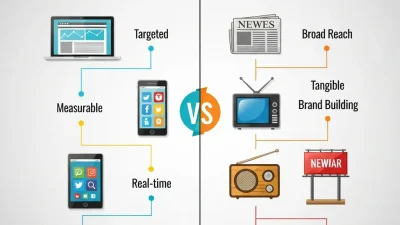
Social media, search engines, and display networks offer unparalleled targeting options. You can show your ad exclusively to people who have recently searched for your specific product category. Digital channels are essential for modern brands learning how to create a good advertisement.
Traditional Media
Television, radio, and print still hold significant value, especially for local businesses or massive brand awareness campaigns. They offer broad reach and can establish strong credibility.
Niche and Emerging Advertising Channels
Podcasts, influencer sponsorships, and streaming services provide highly engaged audiences. Sponsoring a podcast that caters directly to your niche can yield a much higher return on investment than a generic digital ad.
Measuring Success: Knowing if Your Advertisement is Good
You must track your performance to know what works. Data removes the guesswork from advertising.
Key Performance Indicators (KPIs)
Set clear goals before you launch. Are you trying to increase website traffic, generate leads, or boost immediate sales? Track metrics like click-through rates (CTR), conversion rates, and cost per acquisition (CPA).
A/B Testing and Optimization
Never rely on a single version of your ad. Test different headlines, images, and CTAs against each other. A/B testing reveals exactly what resonates with your audience. Continuous testing is a fundamental rule of how to create a good advertisement.
Analyzing Data to Refine Future Advertisements
Review your campaign data regularly. Identify which demographics responded best and which channels delivered the highest ROI. Use these insights to make your next campaign even stronger.
Avoiding Common Pitfalls: Mistakes to Steer Clear Of
Even experienced marketers make mistakes. Avoid these common traps.
Generic Messaging and Lack of Differentiation
If your ad could easily belong to your competitor, it is too generic. You must highlight your specific USP. Blending in is the enemy of advertising.
Ignoring Mobile Optimization
Most digital ads are viewed on a smartphone. If your text is too small to read on a mobile screen, or your landing page loads slowly on a phone, you will lose customers.
Overlooking Legal and Ethical Considerations
Ensure your claims are accurate and you follow all platform guidelines. Misleading advertising damages your reputation and can lead to hefty fines.
Case Studies: Examples of How to Create a Good Advertisement
Looking at past successes and failures provides valuable context.
Successful Campaigns and Why They Worked
Consider the classic “Get a Mac” campaign. It used humor to clearly differentiate Apple’s product from standard PCs. The core message was simple, the emotion was lighthearted, and the visuals were clean. It serves as a masterclass in how to create a good advertisement.
Lessons Learned From Less Successful Advertisements
Campaigns that fail usually miss the mark on audience understanding. Ads that appear tone-deaf or overly complicated confuse the viewer. The lesson is always to test your messaging with a small segment of your audience before a massive launch.
The Future of Advertising: Trends to Watch
Advertising constantly evolves. Staying ahead of trends keeps your campaigns effective.
AI and Personalization
Artificial intelligence allows brands to personalize ads at scale. Dynamic creative optimization can change the text and images of an ad based on the specific user viewing it. This level of personalization is the new standard for how to create a good advertisement.
Interactive and Immersive Ad Experiences
Augmented reality (AR) and playable ads are becoming more common. Allowing a user to “try on” a pair of glasses virtually through an ad drastically increases engagement and conversion rates.
The Evolving Landscape of Consumer Attention
Consumers are excellent at ignoring traditional ads. Brands must focus on creating content that is genuinely entertaining or useful. Blurring the line between content and advertisement is the future of marketing.
Summary: Recap of How to Create a Good Advertisement
Creating an effective campaign requires multiple moving parts. You must define your target audience and craft a clear, emotionally resonant message. You need strong visuals and persuasive copy. Finally, you must choose the right distribution channels and rigorously test your results. Following these steps unlocks the hidden power of ads.
Empowering Your Advertising Journey

Advertising is a skill that improves with practice. Start small, test your ideas, and let data guide your decisions. Do not be afraid to take creative risks once you understand your audience. Now that you know how to create a good advertisement, it is time to put these principles into action. Launch your next campaign, track your KPIs, and watch your business grow.
FAQs
1. What is the most important step in how to create a good advertisement?
Understanding your target audience is the most critical step. Without knowing who you are talking to, your messaging and channel selection will miss the mark.
2. How long should my advertisement be?
It depends on the platform. Social media video ads should typically be under 30 seconds, while a search engine ad relies on just a few short lines of text.
3. What is the hidden power of ads?
The hidden power of ads is their ability to connect emotionally with a viewer, subtly influencing their purchasing decisions by aligning a product with their personal desires or pain points.
4. How much should I spend on my first ad campaign?
Start with a small budget, such as $50 to $100, to test different variations. Scale up your budget only after you see positive results from your A/B testing.
5. Why do I need a Unique Selling Proposition (USP)?
A USP tells the customer exactly why they should buy from you instead of your competitors. It makes your brand memorable and distinct.
6. How do I know if my advertisement is working?
Track Key Performance Indicators (KPIs) like click-through rates, conversion rates, and cost per acquisition. If your ad generates more revenue than it costs, it is working.
7. What is A/B testing in advertising?
A/B testing involves running two slightly different versions of an ad simultaneously to see which one performs better with your audience.
8. Can I learn how to create a good advertisement without hiring an agency?
Yes. Many digital platforms offer user-friendly tools. By studying your audience and testing your creatives, you can run successful campaigns in-house.
9. Why is emotional appeal important in an ad?
People make buying decisions based on emotion and justify them with logic. Tapping into feelings like joy, relief, or nostalgia drives higher engagement.
10. Which platform is best for digital advertising?
There is no single best platform. The right choice depends entirely on where your specific target demographic spends their time online.
11. What is a Call to Action (CTA)?
A CTA is a clear instruction telling the viewer what to do next, such as “Buy Now,” “Sign Up,” or “Learn More.”
12. How does mobile optimization affect how to create a good advertisement?
Since most users view digital ads on phones, your text must be legible on small screens, and your landing pages must load incredibly fast to prevent users from leaving.